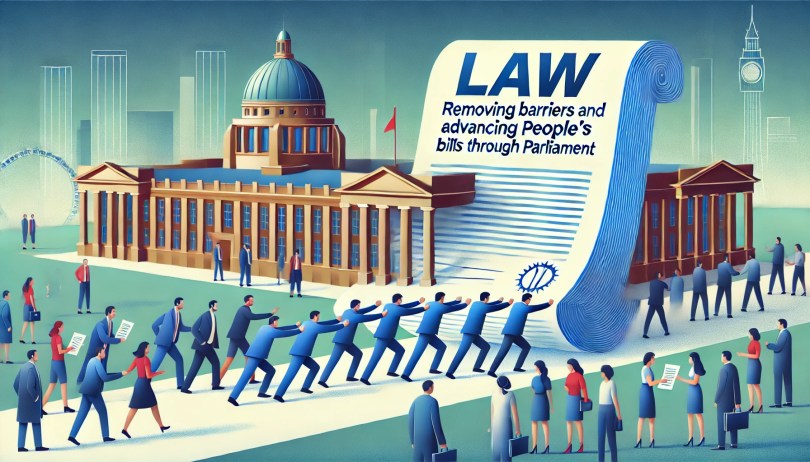
ลดอุปสรรค ผลักดัน ร่าง ก.ม.ประชาชนผ่านสภาฯ

เผยแพร่ครั้งแรกเมื่อวันที่ 29 ธันวาคม 2566 บนหนังสือพิมพ์และเว็บไซต์ กรุงเทพธุรกิจ ในคอลัมน์วาระทีดีอาร์ไอ โดยเขียนร่วมกันระหว่าง ปิยพร ประสงค์ นักวิจัย สถาบันวิจัยเพื่อการพัฒนาประเทศไทย และเขมภัทร ทฤษฎิคุณ นักวิจัยอาุวโส สถาบันวิจัยเพื่อการพัฒนาประเทศไทย

ร่าง พ.ร.บ.แก้ไขเพิ่มเติมประมวลกฎหมายแพ่งและพาณิชย์ หรือ ร่าง พ.ร.บ. สมรสเท่าเทียมจำนวน 4 ฉบับที่สภาผู้แทนราษฎรลงมติรับหลักการเมื่อไม่นานมานี้ หนึ่งในสี่ฉบับนั้นมีร่าง พ.ร.บ.ที่ภาคประชาชนเป็นผู้เสนอ นำโดยคุณอรรณว์ ชุมาพร นักกิจกรรมเพื่อความหลากหลายทางเพศจากเครือข่ายภาคีสีรุ้งและประชาชนผู้มีสิทธิเลือกตั้ง 11,611 คน

การรับหลักการนี้เป็นก้าวสำคัญของความสำเร็จในการออกกฎหมายที่มาจากความต้องการประชาชนตามสิทธิที่รัฐธรรมนูญฯรับรองไว้ อย่างไรก็ตามหากย้อนไปในสมัยสภาผู้แทนราษฎรชุดที่ผ่านมา แม้จะมีกฎหมายที่เสนอโดยประชาชนกว่า 86 ฉบับแต่ผ่านการพิจารณาของสภาฯเพียง 1 ฉบับเท่านั้นนั่นคือ ร่าง พ.ร.บ.อ้อยและน้ำตาลทราย (ฉบับที่…) พ.ศ.. ร่างนี้มีความคล้ายกับร่างสมรสเท่าเทียมในแง่ที่มีร่างกฎหมายของคณะรัฐมนตรีเสนอควบคู่กันมาด้วย จึงได้รับความสนใจและผ่านสภาฯ มาได้

จำนวนของร่างกฎหมายที่ผ่านการพิจารณานี้ สะท้อนความเป็นจริงที่ว่ากระบวนการและขั้นตอนของการเสนอกฎหมายโดยประชาชนยังคงมีอุปสรรค แม้ว่า “หัวใจ” ของการปกครองระบอบประชาธิปไตยจะให้ความสำคัญกับ “ประชาชน” ในฐานะเจ้าของอำนาจอธิปไตยจึงมีการออกแบบกระบวนการต่างๆให้ตอบสนองต่อความต้องการของประชาชนมากขึ้นแล้วก็ตาม

เช่นที่ผ่านมา รัฐไทยพยายามเปิดช่องทางให้ประชาชนเข้ามามีส่วนร่วมในออกกฎหมายอย่างการเปิดให้ประชาชนเสนอกฎหมายและการรับฟังความคิดเห็น เป็นต้น แต่ในความเป็นจริงร่างกฎหมายที่ประชาชนได้ร่วมกันเสนอกลับผ่านออกมาเป็นกฎหมายน้อยมากเมื่อเทียบกับกฎหมายของคณะรัฐมนตรี โดยอุปสรรคที่ทำให้ร่างกฎหมายของประชาชนผ่านสภาจำนวนน้อยมี 2 ปัจจัย   

ปัจจัยแรกคือ “นโยบาย” ที่เป็นไปตามรัฐธรรมนูญกำหนดว่าให้ประชาชนสามารถเสนอกฎหมายบางเรื่องเท่านั้น ถ้านอกเหนือไปจากที่รัฐธรรมนูญกำหนดไว้จะถูกปัดตก และหากเป็นร่างกฎหมายเกี่ยวกับการเงินถ้านายกรัฐมนตรีไม่รับรองก็ไม่สามารถเข้าสู่การพิจารณาของสภาฯ รวมไปถึงในกรณีที่ร่างกฎหมายที่ไม่ตรงกับนโยบายที่รัฐบาลต้องการผลักดันก็อาจทำให้ไม่ผ่านการโหวตในสภาฯ

ตัวอย่างกรณีนี้ เช่น พ.ร.บ.ยกเลิกประกาศและคำสั่งคสช.ที่กระทบสิทธิและเสรีภาพ รวมถึงแทรกแซงกฎหมายเกี่ยวกับที่ดิน ป่าไม้ และผังเมืองในช่วงที่คสช.เข้ามาบริหารประเทศซึ่งถ้ากฎหมายฉบับนี้ผ่านจะทำให้เกิดการทบทวนผลกระทบที่เกิดขึ้นจากการดำเนินการของคสช.ใหม่    

หนทางที่จะนำไปสู่การแก้ไขปัญหาดังกล่าวจำเป็นต้อง “รื้อ” กระบวนทัศน์ใหม่ในระดับนโยบายและแก้รัฐธรรมนูญให้ประชาชนเข้าไปมีพื้นที่ในกระบวนการออกกฎหมายมากขึ้น   

อุปสรรคอีกปัจจัยหนึ่ง คือกระบวนการเสนอและกลั่นกรองกฎหมายเข้าสู่สภาฯในชั้นของสำนักงานเลขาธิการสภาผู้แทนราษฎร แม้ว่าในปัจจุบันสำนักงานฯจะพยายามอำนวยความสะดวกโดยทำระบบการเข้าชื่อเสนอกฎหมายรองรับประชาชนเอาไว้ แต่การใช้งานในปัจจุบันยังเป็นเพียงการติดตามสถานะของการเสนอกฎหมายมากกว่า ในขณะที่ประชาชนยังคงต้องรวบรวมรายชื่อเพื่อทำแบบฟอร์มเอกสารเสนอต่อสำนักงานฯเช่นเดิม

ดังนั้น ควรมีการพัฒนาระบบให้อำนวยความสะดวกให้กับประชาชนได้อย่างแท้จริงและระบบดังกล่าวควรทำหน้าที่เป็นตัวกลางเชื่อมโยงผู้ที่มีความสนใจในประเด็นคล้ายๆกันให้เข้ามาลงชื่อเพื่อสนับสนุนให้ร่างกฎหมายดังกล่าวไปถึงผู้แทนของประชาชนได้

อีกปัญหาหนึ่งของการเสนอกฎหมายคือ ประชาชนบางส่วนอาจมีข้อจำกัดด้านความรู้และไม่เข้าใจความซับซ้อนของกฎหมายแต่มีความคิดความต้องการที่จะเสนอหรือแก้ไขกฎหมาย ซึ่งแตกต่างกับรัฐบาลที่มีฝ่ายกฎหมายและสำนักงานคณะกรรมการกฤษฎีกาเป็นนักกฎหมายคอยยกร่างและพัฒนากฎหมายให้ก่อนเสนอสู่สภาฯ

อย่างไรก็ตามปัจจุบันมีความก้าวหน้าในเรื่องนี้โดยสำนักงานฯมีหน้าที่ช่วยยกร่างกฎหมายให้กับประชาชนภายใต้หลักเกณฑ์ที่กำหนด แต่ก็ยังไม่สะดวกเท่าที่ควรเนื่องจากประชาชนต้องยื่นคำขอพร้อมเอกสารประกอบด้วยตนเองผ่านไปรษณีย์หรืออีเมล ได้แก่ ร่างกฎหมาย บันทึกหลักการ และเหตุผล และบันทึกวิเคราะห์สรุปสาระสำคัญของร่างกฎหมาย

เทียบกับกรณีของสิงคโปร์มีการจัดทำระบบการเสนอกฎหมายให้อยู่ในรูปแบบที่ประชาชนเข้าถึงได้ง่าย ตั้งแต่ขั้นตอนการเสนอแนวคิดเสมือนการตั้งกระทู้ในเว็บบอร์ดจุดประกายให้กับผู้มีส่วนเกี่ยวข้องนำปัญหานี้ไปร่างหรือแก้ไขกฎหมาย และดึงประชาชนเข้าไปมีส่วนร่วมในขั้นตอนต่อๆไป ผ่านการรับฟังความคิดเห็นเพื่อให้ได้ร่างกฎหมายที่ตอบสนองต่อความต้องการของประชาชนมากที่สุด

ดังนั้น สำนักงานเลขาการสภาฯ จึงควรปรับบทบาทมาเป็นคนกลางในการเป็นแพลตฟอร์มให้คนมาร่วมกันลงชื่อเสนอกฎหมายและทำหน้าที่เป็นผู้อำนวยความสะดวกในการช่วยคิดช่วยทำให้ร่างกฎหมายเกิดขึ้น โดยเริ่มต้นจากการเปิดพื้นที่ให้ประชาชนเริ่มเสนอแนะแนวคิดโดยที่ยังไม่ต้องมีร่างกฎหมายหรือเริ่มรวบรวมรายชื่อเพื่อเสนอกฎหมาย

ส่วนกระบวนการกลั่นกรองและตรวจสอบความถูกต้องครบถ้วนของร่างกฎหมายที่มีอยู่เดิมของไทยนั้น ก็เพื่อส่งให้ประธานสภาฯ พิจารณาเพื่อบรรจุเข้าสู่วาระการประชุมของสภาฯ แต่กระบวนการกลั่นกรองกฎหมายนี้ไม่มีกรอบเวลาดำเนินการที่ชัดเจน รวมไปถึงกลไกสภาฯที่ทำงานตามสมัยประชุมของรัฐสภาซึ่งมีวาระประชุมหลายเรื่องต้องพิจารณาทำให้กฎหมายบางฉบับต้องใช้ระยะเวลานานกว่าจะได้เข้าสู่การพิจารณา

ร่างกฎหมายที่รอนานที่สุดคือร่าง พ.ร.บ.สหกรณ์ ซึ่งเสนอตั้งแต่ก่อนที่จะมีการเลือกตั้งที่ผ่านมา โดยใช้เวลาทั้งสิ้น 1,291 วันกว่าจะเข้าสู่การพิจารณาของสภาฯ หรือในกรณีร่างกฎหมายที่เสนอภายในสมัยของสภาฯ ชุดที่ผ่านมาคือ ร่าง พ.ร.บ. ยกเลิกประกาศและคำสั่งคณะรักษาความสงบแห่งชาติและคำสั่งหัวหน้าคณะรักษาความสงบแห่งชาติ ที่ขัดต่อหลักสิทธิมนุษยชนและประชาธิปไตยก็ใช้เวลากว่า 909 วันในการรอพิจารณา

การแก้ไขปัญหาดังกล่าวจึงควรมีการปรับขั้นตอนการกลั่นกรองให้ชัดเจนว่า กฎหมายฉบับหนึ่งจะมีกรอบเวลาในการกลั่นกรองนานเพียงใด และควรจะต้องมีการกำหนดโควตาให้ชัดเจนว่า ร่างกฎหมายที่ประชาชนเสนอควรมีสัดส่วนในการเข้าสู่การพิจารณาของสภาฯ ใกล้เคียงกับร่างของคณะรัฐมนตรีและส.ส.เพื่อให้ร่างกฎหมายของประชาชนไม่ตกไปเมื่อพ้นอายุของสภาฯ

สิ่งสำคัญที่ต้องรัฐต้องลงมือทำคือ การรื้อกระบวนทัศน์แบบเดิมที่ยังจำกัดบทบาทของประชาชนในการเข้าไปมีส่วนร่วมในการเสนอกฎหมายและปรับกระบวนการเสนอกฎหมายของประชาชนให้สะดวก โดยมีขั้นตอนกระบวนการที่ชัดเจนใช้ระยะเวลาที่น้อยลงเพื่อให้เป็นไปตามเจตนารมณ์อย่างแท้จริง

คุ้มครองข้อมูลส่วนบุคคลในโลกแพลตฟอร์ม รัฐไทยพร้อมหรือยัง?

เผยแพร่ครั้งแรกเมื่อวันที่ 7 กันยายน 2566 บนหนังสือพิมพ์และเว็บไซต์ กรุงเทพธุรกิจ ในคอลัมน์วาระทีดีอาร์ไอ (ตอนที่ 1) และเผยแพร่ครั้งแรกเมื่อวันที่ 21 กันยายน 2566 บนหนังสือพิมพ์และเว็บไซต์ กรุงเทพธุรกิจ ในคอลัมน์วาระทีดีอาร์ไอ (ตอนที่ 2)

ในปี 2564 ธุรกิจแพลตฟอร์มมีมูลค่าทางเศรษฐกิจถึง 9 แสนล้านบาท การเติบโตอย่างก้าวกระโดดของธุรกิจแพลตฟอร์มนี้ เป็นผลมาจากความได้เปรียบจากการสะสมข้อมูลจำนวนมาก ที่ทำให้ธุรกิจแพลตฟอร์มสามารถวิเคราะห์พฤติกรรมและออกแบบบริการได้ตอบสนองความต้องการของผู้บริโภค

ทว่าในอีกแง่มุมหนึ่ง การที่ผู้ประกอบธุรกิจแพลตฟอร์มเก็บรวบรวมข้อมูลส่วนบุคคลของผู้บริโภค ได้ทำให้เกิดความกังวลเกี่ยวกับความปลอดภัยและผลกระทบต่อความเป็นส่วนตัวของบุคคลมากขึ้น

จึงเป็นความท้าทายของการคุ้มครองข้อมูลส่วนบุคคลในธุรกิจแพลตฟอร์มในประเทศไทยว่าจะมีการบังคับใช้ พ.ร.บ. คุ้มครองข้อมูลส่วนบุคคล พ.ศ. 2562 หรือ PDPA ได้มากน้อยเพียงใด ในการที่จะรักษาสมดุลระหว่างการคุ้มครองสิทธิเจ้าของข้อมูลส่วนบุคคลกับการการนำข้อมูลไปใช้ประโยชน์ทางเศรษฐกิจ

สำรวจความท้าทายที่ต้องเผชิญ

ความท้าทายแรก คือ การขาดแนวทางในการสื่อสารที่ดีกับผู้บริโภค เมื่อผู้บริโภคใช้บริการแพลตฟอร์ม แม้ว่ากฎหมาย PDPA จะเริ่มใช้บังคับเมื่อปีที่ผ่านมา แต่จากการสำรวจของ TDRI ในงานวิจัยการศึกษาผลกระทบและการนำเสนอมาตรการในการกำกับดูแล Digital Platform พบว่าแนวทางการแจ้งการเก็บและใช้ข้อมูลส่วนบุคคลของผู้บริโภคยังมีลักษณะ “ไม่เป็นมิตร” ต่อผู้บริโภค เช่น การใช้ข้อความเยิ่นเย้อ หรือการใช้ถ้อยคำทางกฎหมายที่ทำให้ผู้บริโภคไม่สามารถเข้าใจรายละเอียดที่จะดำเนินการกับข้อมูลส่วนบุคคลได้ รวมไปถึงการปิดกั้นเนื้อหาโดยกำหนดให้ต้องมีการให้ความยินยอมให้ใช้เทคโนโลยีติดตาม เช่น cookie wall ซึ่งก่อให้เกิดความรำคาญและทำให้ผู้บริโภคตัดสินใจให้ความยินยอมโดยอาจจะไม่ได้พิจารณาเนื้อหาการเก็บและใช้ข้อมูล

การสื่อสารเพื่อให้ผู้บริโภคตระหนักว่าข้อมูลส่วนบุคคลกำลังถูกเก็บและนำไปใช้ ถือเป็นเรื่องสำคัญ เพราะโดยทั่วไปแล้วแพลตฟอร์มมักมีลักษณะเป็นการให้บริการฟรีไม่เสียค่าตอบแทน แต่กลับมี “ราคา” ที่ผู้บริโภคจะต้องจ่ายให้กับแพลตฟอร์ม คือ ข้อมูลส่วนบุคคลและพฤติกรรมการใช้งานบนแพลตฟอร์ม

นอกจากนี้ในปัจจุบันแพลตฟอร์มขนาดใหญ่ในกลุ่ม Super App ที่รวบหลายบริการไว้ในแอปเดียว ยังขาดแนวทางสื่อสารที่ชัดเจนที่จะทำให้ผู้บริโภคตระหนักว่า ข้อมูลที่ให้กับแพลตฟอร์มอาจจะถูกนำไปใช้กับเพื่อเสนอบริการอื่น และเป็นความเสี่ยงที่อาจจะสร้างการรบกวนให้ผู้บริโภคได้

ความท้าทายที่สอง แม้ว่าสำนักงานคณะกรรมการคุ้มครองข้อมูลส่วนบุคคลได้ออกประกาศเรื่อง มาตรการรักษาความปลอดภัยของข้อมูลส่วนบุคคลในปี2565 แต่ไม่ใช่ทุกแพลตฟอร์มจะมีมาตรฐานเพียงพอที่จะคุ้มครองข้อมูลส่วนบุคคลตามประกาศฉบับนี้

ขณะเดียวกันยังพบว่า มีแพลตฟอร์มจำนวนไม่น้อยที่ยังขาดความเข้าใจในการดำเนินการ เนื่องจากที่ผ่านมาไม่มีการจััดทำแนวทางที่่เป็นคำแนะนำ เพื่ออธิบายวิธีการและเทคโนโลยีที่ควรนำมาใช้กับภาคธุรกิจ ทำให้แพลตฟอร์มบางรายยังไม่ได้จัดให้มีวิธีการดำเนินงานที่เหมาะสมเพื่อคุ้มครองสิทธิของผู้บริโภค เช่น บางแพลตฟอร์มไม่ได้จัดให้มีช่องทางการใช้สิทธิสำหรับผู้บริโภค เมื่อผู้บริโภคต้องการขอใช้สิทธิตามกฎหมาย หรือบริษัทยังมีความกังวลในการปฏิบัติตามกฎหมายด้วยความไม่รู้หรือไม่เข้าใจว่าควรจะต้องใช้มาตรการรักษาความปลอดภัยของข้อมูลเท่าใดจึงจะเพียงพอ ทำให้บริษัทมีทางจำกัดคือ ถ้าไม่เลือกใช้มาตรฐานที่สูงในการรักษาความปลอดภัยของข้อมูล ก็อาจจะไม่ได้ให้ความสำคัญต่อการรักษาความปลอดภัยของข้อมูลและเลือกรับความเสี่ยงเพื่อแก้ไขปัญหาเฉพาะหน้าแทน

ความท้าทายที่สาม การถ่ายโอนข้อมูลส่วนบุคคลไปยังบริษัทและประเทศที่ไม่ได้มีระดับการคุ้มครองข้อมูลส่วนบุคคลเทียบเท่าประเทศไทย ทำให้เกิดความกังวลในการถ่ายโอนข้อมูลไปยังปลายทางเหล่านั้นสามารถทำได้หรือไม่ ปัญหานี้ทำให้บริษัทมีต้นทุนที่ต้องไปตรวจสอบว่าประเทศปลายทางมีความพร้อมในการรับข้อมูล และต้องไปเจรจาเกี่ยวกับมาตรการในการคุ้มครองข้อมูลส่วนบุคคลกับบริษัทในประเทศปลายทาง รวมถึงต้องมีต้นทุนในการเจรจากับผู้บริโภคที่เป็นเจ้าของข้อมูลส่วนบุคคลในการขอความยินยอมในบางกรณี

ความท้าทายที่สี่ การยกเว้นการบังคับใช้กฎหมายคุ้มครองข้อมูลส่วนบุคคลในหน่วยงานของรัฐ โดยเดือนกรกฎาคม ปี 2565  คณะรัฐมนตรี มีมติเห็นชอบร่างพระราชกฤษฎีกายกเว้นการบังคับใช้ พ.ร.บ. คุ้มครองข้อมูลส่วนบุคคล กับการใช้ข้อมูลส่วนบุคคลในหน่วยงานของรัฐ ที่มีวัตถุประสงค์เพื่อความมั่นคงของชาติหรือประโยชน์สาธารณะ อย่างไรก็ดีได้มีการเปลี่ยนหลักการของพระราชกฤษฎีกาดังกล่าวใหม่ โดยแก้ไขข้อยกเว้นให้จำกัดลงและกำหนดมาตรการในการคุ้มครองข้อมูลส่วนบุคคลไว้

แต่ประเด็นสำคัญยังคงอยู่ที่ ภาครัฐควรจะตระหนักถึงการคุ้มครองข้อมูลส่วนบุคคลให้มากกว่านี้ โดยไม่ควรกำหนดข้อยกเว้นกฎหมายคุ้มครองข้อมูลส่วนบุคคลที่กว้างเกินไป เพราะจะส่งผลกระทบต่อการป้องกันความเป็นส่วนตัวของประชาชนที่อยู่กับรัฐ  โดยปฏิเสธไม่ได้ว่าปัจจุบันรัฐก็มีการเก็บข้อมูลของประชาชนบนแพลตฟอร์มเช่นเดียวกัน  และในการยกเว้นการคุ้มครองข้อมูลส่วนบุคคลภาครัฐควรจะต้องกำหนดมาตรการที่จะเยียวยาผลกระทบไว้เสมอ นั่นหมายความว่ากฎหมายไม่ควรจะยกเว้นการคุ้มครองข้อมูลส่วนบุคคลโดยสมบูรณ์

ปมปัญหาเหล่านี้ทำให้มาตรฐานการคุ้มครองข้อมูลส่วนบุคคลของไทยไม่ทัดเทียมกับต่างประเทศ จนกลายเป็นอุปสรรคในการทำธุรกิจดิจิทัลตามแนวทางสากล

การเติบโตของธุรกิจแพลตฟอร์ม นำมาสู่ความกังวลในความปลอดภัยและผลกระทบต่อความเป็นส่วนตัวของบุคคล ความกังวลนี้เกิดจากการที่ผู้ประกอบใช้เครื่องมือเก็บรวบรวมข้อมูลส่วนบุคคลของผู้บริโภค ใช้วิเคราะห์พฤติกรรม เพื่อนำไปออกแบบบริการให้ตอบความต้องการของผู้บริโภค

แม้ว่าจะมีการบังคับใช้ พ.ร.บ. คุ้มครองข้อมูลส่วนบุคคล พ.ศ.2562 หรือ PDPA แต่ก็มีคววามท้าทายว่าจะสามารถรักษาสมดุลระหว่างการคุ้มครองสิทธิเจ้าของข้อมูลส่วนบุคคลกับการการนำข้อมูลไปใช้ประโยชน์ทางเศรษฐกิจได้มากน้อยเพียงใด

หลังจากที่วาระทีดีอาร์ไอ : คุ้มครองข้อมูลส่วนบุคคลในโลกแพลตฟอร์ม รัฐไทยพร้อมหรือยัง ? (ตอนที่1 )ได้ระบุถึงโจทย์ความท้าทายไปแล้ว บทความนี้จะสำรวจการดำเนินการของนานาชาติว่ามีมาตรฐานการคุ้มครองข้อมูลส่วนบุคคลอย่างไร 

กรณีของสหภาพยุโรป (EU) และสหราชอาณาจักร มีความพยายามอย่างมากในการรักษาสมดุลระหว่างการคุ้มครองสิทธิเจ้าของข้อมูลส่วนบุคคลกับการนำข้อมูลไปใช้ประโยชน์ทางเศรษฐกิจ 

โดย EU ออกแนวปฏิบัติเกี่ยวกับการสื่อสารระหว่างผู้ให้บริการและแพลตฟอร์ม รวมถึงมีตัวอย่างของสิ่งที่ผู้ให้บริการควรทำและไม่ควรทำ ซึ่งทำให้เกิดความเข้าใจได้มากกว่าการออกเพียงแค่กฎเกณฑ์

ขณะที่สหราชอาณาจักร มีหน่วยงานที่มีหน้าที่ดูแลด้านการคุ้มครองข้อมูลส่วนบุคคล  หรือ Information Commissioner’s Office (ICO) โดยมีความพยายามผลักดันให้เอกชนเข้ามามีส่วนร่วมในการจัดทำ “จรรยาบรรณทางธุรกิจ” (code of conduct) เพื่อใช้ภายในอุตสาหกรรม

เนื่องจากภาครัฐอาจจะไม่สามารถเข้าใจทางปฏิบัติของภาคธุรกิจได้ทั้งหมด การเปิดให้ภาคธุรกิจเข้ามามีส่วนร่วมกำหนดมาตรฐาน โดยภาครัฐตรวจสอบคุณภาพของมาตรฐานเหล่านี้เป็นทางออกที่ดีในการจัดการกับความท้าทายใหม่ๆที่ภาครัฐอาจจะวิ่งตามไม่ทัน

อีกทั้งภาครัฐยังไม่ปิดประตูของการพัฒนานวัตกรรม โดย ICO ได้เปิดโอกาสให้ภาคธุรกิจสามารถมาปรึกษาหารือและร่วมกันพัฒนา Sandbox ทดลองการพัฒนานวัตกรรม ให้คำแนะนำด้านกฎหมายของ ICO

ส่วนกรณีของการถ่ายโอนข้อมูลส่วนบุคคลนั้น ตามแนวทางสากล กำหนดว่า การถ่ายโอนข้อมูลส่วนบุคคลจะต้องถ่ายโอนข้อมูลไปยังประเทศที่มีมาตรฐานการคุ้มครองข้อมูลส่วนบุคคลทัดเทียมกัน

ในสหภาพยุโรปได้มีการประกาศรายชื่อประเทศ (whitelist) ที่ถูกรับรองว่ามีมาตรฐานการคุ้มครองข้อมูลส่วนบุคคลเทียบเท่า (adequacy) ซึ่งทำให้เกิดความมั่นใจกับภาคธุรกิจในการถ่ายโอนข้อมูลส่วนบุคคลไปประมวลผลทางธุรกิจในประเทศเหล่านั้น

“ 3 เร่ง 1 เลิก” คุ้มครองข้อมูลส่วนบุคคล 

สำหรับข้อเสนอในประเทศไทยนั้น “3 สิ่งที่ควรทำ และ 1 สิ่งที่ควรเลิก” ซึ่งอาจเป็นแนวทางให้รัฐบาลและสำนักงานคณะกรรมการคุ้มครองข้อมูลส่วนบุคคลของไทยควรเร่งดำเนินการ คือ  

“เร่งออก” แนวปฏิบัติในการคุ้มครองข้อมูลส่วนบุคคล รวมถึงการจัดทำตัวอย่างในการสื่อสารกับผู้บริโภคโดยคอยสื่อสารอย่างสม่ำเสมอว่าการสื่อสารในลักษณะใดควรจะต้องทำหรือไม่ควรจะต้องทำ และจับตาดูเป็นพิเศษเกี่ยวกับการใช้ข้อมูลส่วนบุคคลของแพลตฟอร์มขนาดใหญ่ 

“เร่งทำ” ความร่วมมือกับสมาคมธุรกิจในการจัดทำจรรยาบรรณทางธุรกิจ รวมถึงสร้างความร่วมมือในการปรึกษาหารือในประเด็นข้อกฎหมายเกี่ยวกับการคุ้มครองข้อมูลส่วนบุคคลกับภาคธุรกิจ

“เร่งประกาศ” แนวทางการถ่ายโอนข้อมูลส่วนบุคคลไปต่างประเทศและประกาศตัวอย่างของประเทศที่มีมาตรฐานการคุ้มครองข้อมูลส่วนบุคคลเทียบเท่ากับประเทศไทย โดยการเร่งดำเนินการทั้งสามเรื่องเป็นงานหลักและงานใหญ่ของสำนักงานคณะกรรมการคุ้มครองข้อมูลส่วนบุคคล

และสุดท้าย “เลิกพยายาม” ในการยกเว้นการคุ้มครองข้อมูลส่วนบุคคลในหน่วยงานของรัฐ รัฐบาลควรจะจริงจังในการเลิกพยายามทำเรื่องดังกล่าว เพื่อไม่ให้ประเทศไทยกลายเป็นประเทศที่ไม่ได้มีมาตรฐานการคุ้มครองข้อมูลส่วนบุคคลเทียบเท่ากับต่างประเทศ ซึ่งทำให้เสียโอกาสในการเข้าเป็นส่วนหนึ่งของเศรษฐกิจแพลตฟอร์มโลก

Digital treasure trove threatens privacy

First Published in Bangkok Post on Wednesday, August 16, 2023

With the unstoppable digital boom, Thailand faces a critical question: Is the country adequately prepared to shield its citizens’ personal information from potential misuse?

Due to their rapid growth, digital platform businesses have propelled their value to over 900 billion baht in 2021. Their prowess lies in their capacity to compile and process vast data, enabling them to decode consumer behaviour and create sought-after services. Yet, this advantage raises privacy concerns.

Amid escalating data breaches and privacy infringements, swift government action is essential to fortify data protection against influential digital entities before matters spiral.

Although the 2019 Personal Data Protection Act (PDPA) is in effect, challenges persist. It remains unclear how well this law shields individual privacy given the difficulty in finding the right balance between commerce and personal privacy.

The first challenge is unclear communication with consumers on how their personal data is collected and used.

A Thailand Development Research Institute (TDRI) study reveals businesses using perplexing language and legal jargon, hindering consumers’ comprehension of how their personal data are handled. Moreover,  the use of technology to block access to information unless the consumer agrees to be tracked by a “cookie wall” creates consumer annoyance. As a result, many impulsively give consent without fully grasping the data implications.

Given platforms’ typically free services, users rarely pay close attention to the terms of use, unknowingly playing with their personal data and online browsing habits which have an impact on their privacy. Therefore, the government must mandate that digital platform businesses transparently inform users about personal data usage.

Currently, “super apps” grant users an array of services under one roof. Yet these apps are not clear about how they share users’ personal data with other platforms within the same app. This causes consumer frustration and concerns about privacy infringement.

The second concern is that not all digital platforms have adequate standards to protect personal data as required by the Personal Data Protection Committee in 2022, thus putting personal data at risk.

Lacking specific guidelines to protect consumer rights, many platforms fail to fully understand the required procedures. This results in varying security standards. Some do not offer channels for consumers to exercise their rights. Some offer overzealous measures while others forego all security measures, preferring to deal with risks as they arise.

The third challenge involves the transfer of personal information. Since platforms may send data to companies and countries without data protection standards equivalent to Thailand, it raises legality questions. To resolve this issue, platforms have to bear the costs of ensuring proper handling and obtaining consumer consent.

The Personal Data Protection Act’s exemption of state agencies is the fourth problem. To safeguard “national security” and “public interests,” the Cabinet approved a draft royal decree in July 2022 that would exempt state agencies from adhering to the PDPA.

Although the Cabinet has amended the draft decree to narrow the scope of the exemption and provide data protection measures, citizen privacy is still at risk. The government needs to be more aware of the significance of protecting personal data in the digital era. It should not permit exemptions based on broad, ambiguous justifications like “national security” and “public interests” that compromise citizens’ rights to privacy protection.

It cannot be denied that state agencies are also collecting huge amounts of citizens’ personal data on their platforms. Excluding them from the PDPA then endangers citizens’ privacy. It is, therefore, essential to include measures to minimise the repercussions and provide compensation for privacy violations by state agencies. In short, the law should not allow state agencies to violate citizens’ privacy without being held accountable and responsible.

Moreover, international regulations demand equivalent privacy standards for cross-border data transfers. Making exceptions for state agencies regarding personal data protection suggests that Thailand’s standards do not meet global benchmarks. As a result, Thailand’s digital economy may face negative consequences.

On the other hand, the European Union (EU) and the United Kingdom (UK) are taking significant steps to strike a balance between personal data protection and using data for business purposes. The EU, for example, has provided clear guidelines for communication between service providers and platforms, with specific dos and don’ts. These well-defined guidelines lead to better understanding among service and platform providers, going beyond mere enforcement of rules.

In addition, the UK’s Information Commissioner’s Office (ICO), which is in charge of protecting personal data, is urging the private sector to participate in the development of a “business code of conduct” for use in the industry.

Since the government may not fully understand the practices of the business sector, allowing the private sector to contribute to the development of standards and having the government certify their quality is an efficient way to deal with rapid changes in the digital world that the government cannot keep up with.

Realising that state support is essential for the development of the digital economy,  ICO also provides consultation and collaboration with businesses in a sandbox environment to foster innovation with ICO’s legal guidance.

Furthermore, the  European Union has released a whitelist of nations with sufficient data protection standards for the transfer of personal data which boosts confidence in businesses when they transfer personal data for processing in these countries.

Such collaboration between the government and private sector to protect consumers’ personal data and promote innovation offers valuable strategies for Thailand to address the challenges at home.

To strike a balance between citizens’ privacy and business interests, the government and the Personal Data Protection Committee (PDPC) must expedite the following three measures and immediately stop one damaging move.

First and foremost, release personal data protection guidelines for businesses as soon as possible. The guidelines should include concrete examples of clear and transparent communication with consumers and the need to inform them regularly what practices they should or should not engage in.  The use of personal data by the “super apps” should also be closely monitored to prevent privacy violations.

Secondly, expedite collaborations with businesses to formulate a privacy protection code of conduct as well as establish consultations and dialogues on legal aspects of personal data protection between the government and the industry.

Thirdly, speed up the issuance of government directives for cross-border personal data transfers. Also, publish a list of countries with personal data protection standards on par with Thailand’s.

It is the responsibility of the Personal Data Protection Committee (PDPC) to implement these crucial measures, which it must prioritise as its immediate goals.

Finally, the government must stop the efforts to exempt state entities from personal data regulations. If not, Thailand’s standard for personal data protection will fall below international guidelines. As a result, Thailand will miss out on the chance to fully participate in the global platform economy.

Amid the digital revolution, Thailand faces a pivotal choice: act fast to embrace strong personal data protection or succumb to the officialdom’s resistance to change and lag behind. The path chosen today will shape Thailand’s digital future and determine where it will stand in the global digital arena.

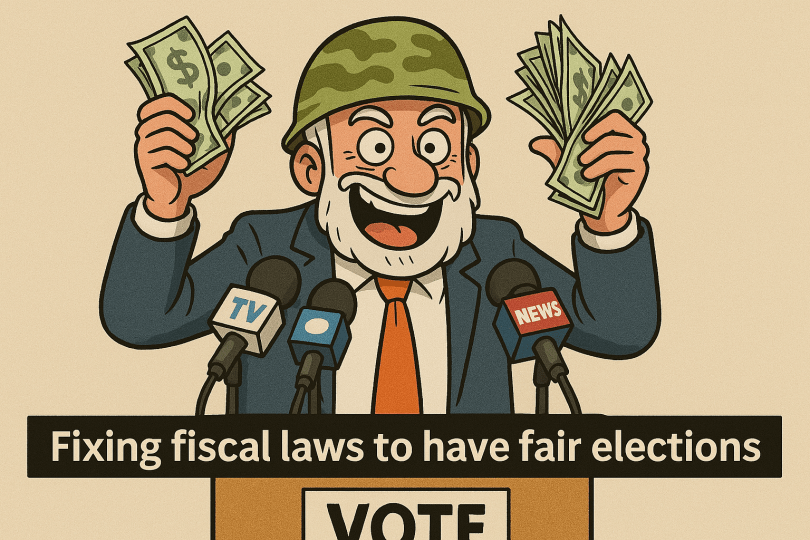
Fixing fiscal laws to have fair elections

First Published in Bangkok Post on Wednesday, May 10, 2023

As election campaigns are heating up, political parties are fiercely competing to win votes by offering generous cash handouts, raising concerns about their impacts on the country’s fiscal discipline for the incoming administration.

It is a legitimate concern. Yet the focus on the post-election financial burden should not overshadow the outgoing administration’s last-minute budget spending for political gains, which also endangers fiscal discipline.

The 2018 State Fiscal and Financial Act mandates that the government exercise strict fiscal restraint and forbids it from pursuing political popularity at the expense of the nation’s long-term interests. This law also establishes fiscal rules and regulations on how the government must manage state income and expenditures while imposing a limit on the accumulation of public debt.

Yet, legal loopholes can be exploited during an election period. In order to advance their political agendas, departing administrations may decide to forego transparency by going on a spending binge right before leaving office, which is a  flagrant breach of fiscal responsibility.

Such spending for political gains includes the government’s approval towards the end of its rule to increase the salaries of certain groups of officials to win their support at the polls.

Just one week before the Parliament was dissolved on March 20, the cabinet approved raising the annual salaries of 5,300 subdistrict administrative organizations, or Or Bor Tor, across the nation to 13,744.69 million baht. This represents an increase of 44.66% or 4,252 million baht over the previous salary base.

The very same day, the cabinet approved the salary increase of sub-district heads or kamnan from 10,000 to 12,000 baht, the village heads from 8,000 to 10,000 baht, and sub-district health officials from 6,000 to 7,000 baht.

A week earlier, the cabinet had approved monthly financial support for village health volunteers across the country from 1,000 to 2,000 baht. Notably, their pay was increased by the previous administration from 600 to 1,000 baht, also just before the election.

In addition to salary increases for the groups of officials who could act as voting bases, another strategy is to approve projects to garner public support through quasi-fiscal channels.

This is accomplished through the cabinet’s approval for state loans from the government’s specialised financial institutions like the Government Savings Banks or the Bank for Agricultural and Agricultural Cooperatives (BAAC). According to the loan agreements, these banks will finance specific government initiatives, and the succeeding administration will repay the loans from the national coffer.

A recent example is the Prayut administration’s approval of the One Million Cows Project, which is being managed by the National Village and Urban Community Fund Office through loans from the Bank for Agricultural and Agricultural Cooperatives. Under this four-year project, the village fund office will lend money to farming families so they can each purchase two cows, and the following administration will repay the bank for the loans.

The outgoing government may have the best of intentions, but these policies are tied to future national budget spending. The government must, therefore, uphold fiscal responsibility and transparency by outlining the expenditure in detail and indicating how it will affect the budget of the administration that comes after. In addition, using the budget in this manner may create political popularity that surpasses the opponent, which should not come from using the state budget.

Despite the law on fiscal discipline, it does not cover how the government uses national budgets when elections are imminent. The election law and regulations also contain no restrictions on the use of the national budget to sway elections.

To close these legal loopholes, a system of oversight for the final budgetary expenditures of the departing government must be added to the current law on fiscal discipline.  This system is also crucial to ensure a fair election and prevent the government from abusing its authority against the opposition and smaller political parties.

Such a budgetary oversight system to guarantee fiscal discipline and fair elections is not uncommon in other countries.

For example, in Australia, the Charter of Budget Honesty Law mandates that the government publish an economic and financial report within 10 days of the election’s date being set.

The government has a responsibility to inform the populace of the economic and financial situation before an election.  The report includes the amount of public debt, long-term fiscal liabilities, and budgetary spending.  The report’s objective is to provide information to assist voters in their voting decisions.

Meanwhile, in Brazil, raising the pay of public employees during one’s final year in office or the parliament is regarded as a fiscal crime. 

Thailand should consider Australia’s model. The economic and financial report on the country’s situation is important for the government’s transparency and credibility. Public access to information also strengthens the democratic process. 

The Brazil model, however, is complicated legally and difficult to find solid proof, which ultimately renders the legal efforts futile.

At present, Thailand does not have a strong and independent state agency to monitor the repercussions of the government’s fiscal policies like the Congressional Budget Office in the United States. Given the widespread criticism of the so-called “independent” constitutional organizations at the moment, however, it is not a smart idea to create yet another independent state organisation to carry out this oversight function.

Instead, a viable alternative is to support civil society and academia to monitor and evaluate government spending. However, to effectively close the legal loopholes in the fiscal discipline law, an elected government should set up a legislative budget office once it assumes office.

Otherwise, any administration will be able to continue using taxpayer money improperly by going on last-minute spending sprees to sway voters’ ballot decisions. 

Fiscal discipline is not the only issue at hand. A free and fair election is crucial to democracy. To safeguard the country’s fiscal integrity and democratic values, this political abuse of the national coffer must end.

ปรับปรุง ‘กฎหมายวินัยการคลัง’ ใช้งบก่อนเลือกตั้งรัดกุม

เผยแพร่ครั้งแรกเมื่อวันที่ 20 เมษายน 2566 บนหนังสือพิมพ์และเว็บไซต์ กรุงเทพธุรกิจ ในคอลัมน์วาระทีดีอาร์ไอ

ในช่วงการเลือกตั้งที่จะถึงนี้ พรรคการเมืองทยอยนำเสนอนโยบายให้กับประชาชน ทำให้หลายฝ่ายกังวลว่านโยบายดังกล่าวจะเป็น ประชานิยม ที่มุ่งสร้างความนิยมทางการเมืองชั่วคราว และกระทบต่อวินัยการคลังของประเทศ ซึ่งทั้งหมดเป็นเรื่องการใช้งบประมาณหลังจากได้เป็นรัฐบาลแล้ว

นอกเหนือจากการใช้งบหลังจากการเป็นรัฐบาลแล้ว ประเด็นความใส่ใจต่อวินัยทางการคลังในช่วงการเลือกตั้งก็เป็นสิ่งไม่ควรจะละเลยอย่างยิ่ง

แม้ พ.ร.บ. วินัยการเงินการคลังของรัฐ พ.ศ. 2561 จะกำหนดให้คณะรัฐมนตรีต้องรักษาวินัยทางการคลังอย่างเคร่งครัด และไม่บริหารราชการแผ่นดินโดยมุ่งสร้างความนิยมทางการเมือง ที่อาจก่อให้เกิดความเสียหายต่อระบบเศรษฐกิจของประเทศและประชาชนในระยะยาว รวมถึงกำหนดหลักเกณฑ์ครอบคลุมเรื่องการใช้จ่ายงบประมาณของรัฐในเรื่องการเก็บ การใช้จ่าย การก่อหนี้สาธารณะ

อย่างไรก็ดี พ.ร.บ. วินัยการเงินการคลังของรัฐ ยังมีช่องโหว่ในการใช้งบประมาณที่ยังไม่รัดกุม โดยเฉพาะอย่างยิ่งในสถานการณ์การเลือกตั้ง รัฐบาลที่กำลังจะหมดวาระ อาจจะมีการตัดสินใจใช้จ่ายเงินเพื่อมุ่งผลประโยชน์ทางการเมือง โดยไม่ได้พิจารณาถึงความโปร่งใส ความรอบคอบ และผลกระทบต่อวินัยทางการคลัง

การตัดสินใจใช้จ่ายเงินเพื่อมุ่งผลประโยชน์ทางการเมืองนั้น อาจปรากฏในลักษณะของการเพิ่มงบประมาณด้านบุคคลก่อนการพ้นวาระการดำรงตำแหน่งของ ครม. หรือวาระของสภา เช่น เมื่อวันที่ 14 มีนาคมที่ผ่านมาก่อนการยุบสภา ครม. เห็นชอบขึ้นค่าตอบแทนผู้บริหารและสมาชิก อบต. จำนวน 5,300 แห่ง โดยประมาณการค่าใช้จ่ายเป็นเงินจำนวนประมาณ 13,774.69 ล้านบาท เพิ่มขึ้นจากค่าตอบแทนปัจจุบัน 4,252 ล้านบาท คิดเป็นร้อยละ 44.66

นอกจากนี้ ในวันเดียวกัน ครม. ยังได้มติให้ปรับอัตราเงินตอบแทนกำนัน ผู้ใหญ่บ้าน แพทย์ประจำตำบล และตำแหน่งอื่นๆ โดยกำนันปรับเพิ่มจาก 10,000 บาทเป็น 12,000 บาท ผู้ใหญ่บ้านจาก 8,000 บาท เป็น 10,000 บาท แพทย์ประจำตำบลปรับเพิ่มจาก 6,000 บาท เป็น 7,000 บาท ต่อเดือน เป็นต้น

นอกเหนือจากการเพิ่มค่าตอบแทนให้ผู้บริหารและสมาชิก อบต. และกำนัน ผู้ใหญ่บ้าน แพทย์ประจำตำบล และตำแหน่งอื่นๆ แล้ว ก่อนหน้านี้ในวันที่ 7 มีนาคม ครม. ได้ปรับเพิ่มค่าป่วยการ อสม. เป็น 2,000 บาท

เป็นข้อสังเกตว่า การเพิ่มค่าป่วยการ อสม. นี้ ครม. ของรัฐบาลในสมัยที่แล้วก็มีการตัดสินใจเพิ่มค่าป่วยการให้ อสม. จาก 600 บาท เป็น 1,000 บาท ก่อนจะมีการเลือกตั้งเช่นกัน

นอกจากการเพิ่มผลประโยชน์ในด้านบุคคลก่อนการพ้นวาระการดำรงตำแหน่งของ ครม. หรือวาระของสภาแล้ว ตัวอย่างอีกลักษณะหนึ่งคือ การอนุมัติโครงการโดยใช้มาตรการกึ่งการคลังอนุมัติงบประมาณให้สถาบันการเงินเฉพาะกิจของรัฐ

เช่น ธนาคารเพื่อการเกษตรและสหกรณ์การเกษตร (ธกส.) หรือธนาคารออมสิน เพื่อให้ธนาคารเหล่านี้ทำหน้าที่เป็นผู้จ่ายเงินดำเนินโครงการให้รัฐบาลไปก่อนแล้วจึงจ่ายเงินคืนให้กับสถาบันการเงินผ่านงบประมาณแผ่นดิน 

ซึ่งที่ผ่านมาไม่นาน ครม. พึ่งได้อนุมัติโครงการโคล้านครอบครัวที่ให้ ธ.ก.ส. สนับสนุนสินเชื่อให้กับกองทุนหมู่บ้านและชุมชนเมืองเป็นระยะเวลา 4 ปี เพื่อเปิดโอกาสให้สมาชิกกองทุนที่เข้าร่วมโครงการสามารถกู้ยืมเงินทุนสำหรับเลี้ยงโคครอบครัวละ 2 ตัว โดยรัฐบาลจะจ่ายงบประมาณคืนกลับมาให้ ธกส.

แม้ทั้งหมดนี้รัฐบาลที่กำลังจะพ้นวาระอาจจะมีเจตนาที่ดี แต่ทั้งหมดก็เป็นการดำเนินนโยบายที่ผูกพันกับการใช้จ่ายงบประมาณของรัฐ ที่ควรจะต้องมีการประเมินผลกระทบที่เกิดขึ้นจากการใช้จ่าย หรืออธิบายรายละเอียดเกี่ยวกับการใช้จ่ายงบประมาณดังกล่าว

ในบริบทของประเทศไทย พ.ร.บ.วินัยการเงินการคลังของรัฐยังไม่มีการกำหนดหลักเกณฑ์เฉพาะในช่วงการเลือกตั้งที่ควรจะมีกระบวนการเฉพาะในการหยิบยกประเด็นการใช้จ่ายงบประมาณดังกล่าวมาตรวจสอบ โดยเฉพาะอย่างยิ่งช่วยให้การแข่งขันในเวทีการหาเสียงมีความเป็นธรรม และไม่ก่อให้เกิดความได้เปรียบระหว่างพรรคฝ่ายค้าน หรือพรรคการเมืองขนาดเล็ก

เมื่อเปรียบเทียบกับแนวปฏิบัติที่ดีในต่างประเทศจะพบว่า ในต่างประเทศนั้นมีการให้ความสำคัญกับการควบคุมการใช้จ่ายงบประมาณของรัฐบาลในช่วงก่อนการเลือกตั้ง เพื่อเป้าหมายในการรักษาวินัยทางการคลัง และสร้างความเป็นธรรมในการแข่งขันกันอย่างเสมอภาคในการเลือกตั้ง

ตัวอย่างเช่นในกฎหมายวินัยทางการคลังของประเทศออสเตรเลียกำหนดให้เมื่อมีการกำหนดวันเลือกตั้งอย่างเป็นทางการ จะต้องมีการจัดทำรายงานประมาณการเศรษฐกิจและการคลังเพื่อเผยแพร่ภายใน 10 วัน เพื่อให้ข้อมูลรายงานแนวโน้มเศรษฐกิจและการคลังก่อนเลือกตั้ง

โดยข้อมูลครอบคลุมรายละเอียดเกี่ยวกับการใช้จ่ายงบประมาณ สมมติฐานต่างๆ ที่ใช้ รายละเอียดของภาระผูกพันทางการคลัง และยอดหนี้สาธารณะ โดยมาตราการเหล่านี้เน้นการให้ความสำคัญกับการทำให้สังคมตระหนักและมีข้อมูลประกอบการตัดสินใจลงคะแนนเสียงเลือกตั้ง หรือในประเทศบราซิลมีการกำหนดความผิดอาชญากรรมทางการคลังต่อการดำเนินงานเพิ่มค่าใช้จ่ายงบประมาณรายจ่ายด้านบุคลากรในปีสุดท้ายของวาระการดำรงตำแหน่งหรืออายุสภา

ในบริบทของประเทศไทยตัวอย่างของประเทศออสเตรเลียอาจมีความน่าสนใจมากกว่าตัวอย่างของประเทศบราซิล เนื่องจากมาตรการดังกล่าวจะกระทบต่อความน่าเชื่อถือของรัฐบาลในช่วงการเลือกตั้ง และช่วยส่งเสริมกระบวนการทางประชาธิปไตยจากการทำให้ประชาชนเข้าถึงข้อมูลสาธารณะ ซึ่งเมื่อเปรียบเทียบกับการลงโทษทางอาญาที่มีกระบวนการพิจารณาที่ซับซ้อนและอาจจะมีประเด็นในเรื่องการแสวงหาพยานหลักฐาน

อย่างไรก็ดี ความน่ากังวลของประเทศไทยคือ การไม่มีสถาบันของภาครัฐที่ทำหน้าที่วิเคราะห์ผลกระทบทางการคลังที่เข้มแข็งแบบสำนักงบประมาณของรัฐสภาแบบสหรัฐอเมริกา ในขณะเดียวกันองค์กรอิสระตามรัฐธรรมนูญในปัจจุบันก็ถูกตั้งคำถามจากสังคมถึงความโปร่งใสจากสังคม การจะกำหนดหน้าที่ให้กับองค์กรอิสระตามรัฐธรรมนูญเหล่านี้ก็อาจจะไม่เหมาะสมในเวลานี้

ในเวลานี้ทางออกของสังคมจึงต้องพึ่งกำลังของ ภาคประชาสังคมและเครือข่ายทางวิชาการช่วยกันทำหน้าที่ติดตามและวิพากษ์วิจารณ์กระบวนการใช้งบประมาณ จนกว่าจะมีรัฐบาลใหม่ที่มาจากการเลือกตั้ง ที่ควรพัฒนาสำนักงบประมาณของรัฐสภาให้เข้มแข็ง เพื่อปิดช่องโหว่ในการใช้งบประมาณที่ยังไม่รัดกุมพอ ลดผลกระทบต่อวินัยทางการคลังประเทศ

อุปสรรคกติกาขัดขาคราฟต์เบียร์ไทย

เผยแพร่ครั้งแรกเมื่อวันที่ 15 ธันวาคม 2565 บนหนังสือพิมพ์และเว็บไซต์ กรุงเทพธุรกิจ ในคอลัมน์วาระทีดีอาร์ไอ

คราฟต์เบียร์เป็นที่รู้จักในประเทศไทยมากขึ้น หลังผู้ผลิตคราฟต์เบียร์ไทยชนะการประกวดเบียร์ในระดับนานาชาติหลายรางวัล เช่น เบียร์ศิวิไลซ์ ที่ชนะรางวัลเหรียญเงิน ในเวที World Beer Awards 2020 และเบียร์ SPACECRAFT ที่ชนะ 6 รางวัลในเวที Asia Beer Championship 2021

ความเหมือนกันของการชนะรางวัลทั้งสองรายการคือ การเป็นเบียร์ไทยแต่รับรางวัลในนามเบียร์ที่ผลิตในประเทศเวียดนาม สิ่งนี้กลายเป็นเรื่องน่าเสียดายที่ประเทศไทยไม่สามารถร่วมยินดีกับความสำเร็จดังกล่าวได้อย่างเต็มที่ เพราะเบียร์ที่ชนะการประกวดผลิตในชื่อประเทศอื่น

สาเหตุที่ผู้ผลิตคราฟต์เบียร์ต้องไปผลิตเบียร์ในประเทศอื่น เพราะสภาพแวดล้อมภายในประเทศไม่เอื้ออำนวยให้ผู้ผลิตเบียร์หน้าใหม่ก้าวเข้ามามีที่ยืนในอุตสาหกรรมนี้ได้ เนื่องจากผู้ผลิตส่วนใหญ่มีขนาดเล็กดำเนินธุรกิจอย่างอิสระและใช้กระบวนการผลิตแบบดั้งเดิมตั้งแต่การคิดสูตร หมัก บรรจุขวดและจัดจำหน่าย แต่ พ.ร.บ. ภาษีสรรพสามิตที่ควบคุมการผลิตสุราเดิมตั้งอยู่บนมาตรฐานการผลิตในระดับอุตสาหกรรมภายใต้โรงงานที่เป็นกิจจะลักษณะ ทำให้ผู้ผลิตรายย่อยไม่สามารถก้าวเข้ามาในอุตสาหกรรมภายใต้กฎหมายไทยได้

ปัญหาดังกล่าวนำมาสู่กระแสเรียกร้องให้มีการยกร่างกฎหมายใหม่คือ พ.ร.บ. สุราก้าวหน้า (ร่างแก้ไข พ.ร.บ. ภาษีสรรพสามิต) เพื่อเปิดโอกาสให้ผู้ผลิตสุรารายย่อยสามารถมีส่วนร่วมในอุตสาหกรรมนี้ได้ จนในท้ายที่สุดความพยายามดังกล่าวก็ไปถึงรัฐบาลและนำมาสู่การแก้ไขกฎกระทรวงผลิตสุราฉบับใหม่ที่มีการผ่อนคลาย กฎเกณฑ์เกี่ยวกับการผลิตสุรามากขึ้น

กฎกระทรวงฉบับนี้ได้สร้างความเปลี่ยนแปลงหลายด้านให้กับผู้ผลิตสุรา สำหรับ “คราฟต์เบียร์” กฎกระทรวงฉบับใหม่ มีการผ่อนคลายเงื่อนไขเดิมหลายอย่าง อาทิ การไม่กำหนดทุนจดทะเบียนขั้นต่ำสำหรับผู้ขอใบอนุญาตผลิต และการไม่กำหนดกำลังการผลิตต่อปี

แต่เมื่อพิจารณาในรายละเอียดแล้ว กฎหมายใหม่ได้สร้างล็อกใหม่ที่อาจจะยับยั้ง การเติบโตของคราฟต์เบียร์ไทยได้ ตัวอย่าง เช่น การกำหนดให้เครื่องจักรที่ใช้ในการผลิตต้องมีมาตรฐานและได้รับความเห็นชอบจากอธิบดีกรมสรรพสามิต ซึ่งเงื่อนไขการผลิตดังกล่าวยังไม่มีหลักเกณฑ์ใดๆ ออกมารองรับ

ความน่ากังวลที่อาจจะเกิดขึ้นคือ มาตรฐานดังกล่าวอาจจะสูงเกินกว่าที่ผู้ผลิตรายย่อยจะรับได้ ดังนั้น ในกระบวนการกำหนดหลักเกณฑ์กรมสรรพสามิตควรจะต้องจัดรับฟังความคิดเห็นจากผู้ผลิต โดยเฉพาะรายย่อยเพื่อให้ได้รับข้อมูลเพียงพอต่อการตัดสินใจกำหนดหลักเกณฑ์ต่อไป นอกจากนี้ กฎหมายใหม่ยังได้กำหนดให้ผู้ผลิตผลิตเบียร์บรรจุขวด/กระป๋อง จะต้องติดตั้งระบบพิมพ์เครื่องหมายการเสียภาษี ซึ่งอาจสร้างต้นทุนเพิ่มมากขึ้น และอาจเกินศักยภาพของผู้ผลิตรายย่อย โดยหนทางที่จะไม่ก่อภาระต้นทุนแก่ผู้ผลิต รายย่อยมากเกินไป คือการทำให้กฎเกณฑ์นี้มีความชัดเจน เช่น ผู้ผลิตสามารถใช้ วิธีการอื่นแทนการติดตั้งระบบพิมพ์ อาทิ การให้พนักงานติดเครื่องหมายการเสียภาษีได้หรือไม่

นอกจากนี้ กฎหมายใหม่ยังยอมให้ ผู้ผลิตผลิตเบียร์เพื่อบริโภคเองภายใน ครัวเรือนได้ ซึ่งเป็นหลักการที่ก้าวหน้า แต่เมื่อ ดูรายละเอียดของกฎหมาย กลับระบุว่าผู้ที่จะ ผลิตเบียร์เพื่อบริโภคเองต้องได้รับอนุญาตต่ออธิบดีและเสียค่าธรรมเนียมตามกฎหมาย และกฎหมายยังห้ามไม่ให้ผู้ได้รับอนุญาตผลิต เบียร์เพื่อบริโภคเองผลิตเกินปีละ 200 ลิตร และห้ามแจกจ่ายให้กับบุคคลอื่น การกำหนดเงื่อนไขนี้กระทบต่อธุรกิจคราฟต์เบียร์ไทยเป็นอย่างมาก เพราะธุรกิจคราฟต์เบียร์นั้นเริ่มต้นขึ้นจากผู้ผลิตมีความพยายามรังสรรค์คราฟต์เบียร์ ที่ต้องผ่านการทดลองและปรับปรุงสูตรด้วยความคิดสร้างสรรค์ ซึ่งในระหว่างนี้ผู้ผลิตเบียร์อาจเข้าข่ายทำผิดกฎหมายทั้งที่ยังไม่ได้ค้าขายทำกำไร หรือควรจะต้องขออนุญาต

ดังนั้น การกำหนดให้ผู้ผลิตเบียร์เพื่อบริโภคเองต้องขออนุญาต และถูกควบคุมเสมือนกับเป็นผู้ผลิตในเชิงค้าขาย ก็อาจจะกลายเป็นการจำกัดความคิดสร้างสรรค์และผู้ที่สนใจศึกษาและพัฒนาเบียร์

ประเด็นนี้สอดคล้องกับความเห็น ของ ผศ.เจริญ เจริญชัย แห่งเพจสุราไทย เพจวิชาการเกี่ยวกับการส่งเสริมการผลิต สุราที่มีคุณภาพ ได้ให้ความเห็นว่า การกำหนด เงื่อนไขการขออนุญาตผลิตเบียร์เพื่อบริโภคเอง ภายในครัวเรือนนี้สร้างความยุ่งยากเกินไปสำหรับการผลิตเบียร์บริโภคที่บ้าน ซึ่งไม่ก่อให้ เกิดผลกระทบต่อบุคคลอื่น และการผลิตเบียร์ ปีละไม่เกิน 200 ลิตร นั้นไม่เพียงพอต่อการทดลองทำและพัฒนาสูตรเบียร์

เมื่อเปรียบเทียบกับประเทศใกล้เคียงอย่างสิงคโปร์ พบว่ากฎหมายของสิงคโปร์ ไม่ได้กำหนดให้ผู้ผลิตเบียร์เพื่อบริโภคภายในครัวเรือนจะต้องขออนุญาตกับหน่วยงานของรัฐแบบประเทศไทย รวมถึงกฎหมายยังกำหนดให้คนที่ต้องการผลิตสามารถผลิตเบียร์ได้ถึง 30 ลิตรต่อเดือน/คน หรือ 360 ลิตรต่อปี/คน ซึ่งมากกว่าที่ประเทศไทยอนุญาตให้ผลิต และไม่ได้ห้ามแจกจ่ายเบียร์ที่ผลิตจากครัวเรือนแต่อย่างใด

ท้ายที่สุดเป้าหมายของการปลดล็อกกฎหมายเพื่อการผลิตคราฟต์เบียร์ คือการต้องการให้มีการแข่งขันเพิ่มมากขึ้นและมีการพัฒนาคุณภาพของเบียร์ในประเทศ เพื่อให้เป็นที่ยอมรับในระดับสากล แต่เงื่อนไขหลายอย่างในกฎหมายยังไม่เอื้ออำนวยให้ผู้ผลิตสามารถใช้ความคิดสร้างสรรค์ในการผลิตคราฟต์เบียร์ได้อย่างเต็มที่

หากกฎหมายยังคอยขัดแข้งขัดขา ผู้ผลิตอย่างนี้ต่อไป คนไทยและประเทศย่อมสูญเสียโอกาสที่จะพัฒนาธุรกิจ เบียร์ไทยให้สามารถแข่งขันกับเพื่อนบ้าน เพราะคนไทยผู้ผลิตคราฟต์เบียร์จะหนีไปผลิตในประเทศเพื่อนบ้านตามเดิม และประเทศไทยจะเสียท่า ด้วยกติกาขัดแข้ง ขัดขาตัวเองอีกครั้ง

Personal Data at Risk in Govt Hands

First Published in Bangkok Post on Wednesday, August 31, 2022

Only one month after enforcing the law to protect the Thai people’s personal data security and privacy, the government had a change of heart.

Instead of imposing the PDPA law on all organisations that handle data, the government has helped some government agencies to bypass the Personal Data Protection Act (PDPA) in the name of “national security” and “public service”. As a result, government, national security agencies, the courts, public attorneys, police and tax authorities will be permitted to collect, access, and transfer our data with impunity.

In addition, the government can access citizens’ personal data to fulfil those obligations.

A scary scenario indeed.

The Personal Data Protection Act (PDPA) took effect on June 1 this year after a two-year delay. The long-overdue law sets rules and standards for the private and public sectors to follow on collecting and using personal data to protect privacy and security.

While the business community is busy setting up new security mechanisms to comply with the PDPA’s complex rules and avoid legal punishment, the government has hatched a plan to bypass the PDPA altogether.

On July 5, 2022, the cabinet approved the draft of the royal decree by the Ministry of Digital Economy and Society to exempt government agencies from the PDPA law if the data is to be used for public service, national security protection or the inspection of crimes such as narcotics offences, human trafficking and money laundering.

Following cabinet approval, the royal decree can bypass parliament as an urgent piece of law. The legislation will be effective after it is signed by His Majesty the King.

This royal decree will affect citizens’ rights and freedoms for many reasons.

Firstly, the areas of exemption are too broad. Under the drafted royal decree, the PDPA’s stipulations on data protection rights, petition procedures, financial compensation and the punishment for violators will not apply to those state authorities which are exempted by the royal decree.

In short, the officials will freely enjoy legal immunity from prosecution under data protection laws.

Secondly, the exemptions granted to protect “national security” and allow operations of “public service” are too wide-ranging and unclear. This ambiguity allows officials to interpret “national security” and “public service” as they see fit, making it easy for them to abuse power. Allowing all levels of the judiciary — from police and attorneys to the courts — and tax collectors to freely access and transfer the citizens’ personal data creates similar worries.

Public concern over data safety is valid when trust is already so low and power abuse is so widespread.

The public sector has repeatedly failed to protect the personal data of those it should be serving. Government agencies experienced at least five data breaches last year alone. The hacked data involved users’ health records and other sensitive information.

Apart from data breaches from external violators, the government also faces allegations of breaching public privacy and freedom by using spyware to track and record activists’ and journalists’ mobile phone use. Only governments can buy this spyware to hack people’s cell phones.

The government’s alleged violations have raised questions about state responsibility and accountability. Exempting the state from the PDPA further intensifies public concern about abuse of power and political persecution. It also perpetuates a culture of impunity, which aggravates state violence against the citizens.

The exemption may also affect the economy. The PDPA is an important part of a host of digital economic laws to set standards and regulations on the cross-border transfer of personal data, which is essential for digital economic transactions.

Public trust in a secure cross-border transfer of personal data is crucial for the growth of the digital economy. As a result, most international trade agreements, such as the Regional Comprehensive Economic Partnership or Comprehensive and Progressive Agreement for Trans-Pacific Partnership, require members to honour personal data protection. Even China, an economic powerhouse, agreed to pass the law on personal data protection last year.

The core principle of data protection and privacy in international trade is that the data senders’ and receivers’ countries must share similar data protection standards. To safeguard citizens’ rights and freedoms, the General Data Protection Regulation of the European Union, the gold standard on data protection and privacy, prohibits intervention by the government or security agencies.

The government’s attempt to free itself from the PDPA’s legal obligations violates EU standards on data protection. It will backfire economically.

Data transfer to Thailand will become problematic from failure to meet international standards. The local businesses will be hit hard. The private sector will therefore miss the opportunities to grow in the era of the digital economy.

The government must realise the risks of allowing officials to tamper with people’s privacy and threaten people’s safety. The economic loss will be huge. So will the impact on the citizens’ rights and freedoms.

This royal decree effort violates citizens’ rights enshrined in the constitution. It protects the officialdom, not the people. It perpetuates state oppression and a culture of impunity. It risks seeing Thailand slide into becoming a pariah state. It must be stopped before it is too late.

ยกเว้น กฎหมายคุ้มครองข้อมูลส่วนบุคคล กับผลที่อาจตามมา

เผยแพร่ครั้งแรกเมื่อวันที่ 10 สิงหาคม 2565 บนหนังสือพิมพ์และเว็บไซต์ กรุงเทพธุรกิจ ในคอลัมน์วาระทีดีอาร์ไอ

กฎหมายคุ้มครองข้อมูลส่วนบุคคล มีความสำคัญทั้งในด้านของการคุ้มครองสิทธิและเสรีภาพของประชาชน และในด้านของการกำกับดูแลการใช้ข้อมูลส่วนบุคคล ซึ่งปัจจุบันมีความสำคัญทั้งกับภาคธุรกิจและการดำเนินภารกิจของหน่วยงานของรัฐ

เมื่อไม่นานมานี้หลังจาก พ.ร.บ.คุ้มครองข้อมูลส่วนบุคคล พ.ศ.2562 ใช้บังคับมาได้เพียง 1 เดือน คณะรัฐมนตรีได้มีมติและเห็นชอบหลักการของพระราชกฤษฎีกายกเว้นการบังคับใช้ พ.ร.บ. ให้กับการใช้ข้อมูลส่วนบุคคลในหน่วยงานของรัฐ

เพื่อวัตถุประสงค์ในการป้องกันประเทศ การรักษาความมั่นคงของประเทศ ความปลอดภัยสาธารณะ การจัดเก็บภาษีของหน่วยงานรัฐ การดำเนินการเพื่อประโยชน์สาธารณะ การดำเนินการตามพันธกรณีระหว่างประเทศ การดำเนินการของหน่วยงาน ศาล อัยการ และผู้บังคับใช้กฎหมาย ซึ่งขอบเขตของการยกเว้นดังกล่าวค่อนข้างกว้าง และอาจกระทบต่อสิทธิและเสรีภาพของประชาชน รวมทั้งเศรษฐกิจของประเทศ

ในด้านสิทธิและเสรีภาพของประชาชน พ.ร.บ.คุ้มครองข้อมูลส่วนบุคคล พ.ศ. 2562 ทำหน้าที่เสมือนผ้าเบรกช่วยลดการแทรกแซงสิทธิความเป็นส่วนตัว และคุ้มครองสิทธิของเจ้าของข้อมูลส่วนบุคคล โดยการกำหนดมาตรฐานและวิธีการในการใช้ข้อมูลส่วนบุคคล

การยกเว้นการบังคับใช้ พ.ร.บ. นั้นมีความน่ากังวลในประเด็นนี้ 2 เรื่อง เรื่องแรกคือ ขอบเขตของการยกเว้น ซึ่งตามร่างพระราชกฤษฎีกานี้มีการยกเว้นการนำกฎหมายมาใช้ในเรื่องสำคัญๆ ได้แก่ การคุ้มครองข้อมูลส่วนบุคคล สิทธิของเจ้าของข้อมูลส่วนบุคคล การร้องเรียน ความรับผิดทางแพ่ง และบทกำหนดโทษ ซึ่งเปิดโอกาสให้หน่วยงานของรัฐลอยนวลพ้นผิดจากการละเมิดสิทธิของเจ้าของข้อมูลส่วนบุคคลในรูปแบบต่างๆ

เรื่องที่สองคือ วัตถุประสงค์ของการยกเว้น อาทิ การรักษาความมั่นคงของประเทศ ความปลอดภัยสาธารณะ และการดำเนินการเพื่อประโยชน์สาธารณะนั้นมีความไม่เฉพาะเจาะจง และไม่อาจคาดหมายได้ว่าจะมีความหมายเช่นไรขึ้นกับดุลยพินิจและการตีความของหน่วยงานรัฐ ซึ่งข้อยกเว้นดังกล่าวนั้นขยายออกไปจากข้อยกเว้นเดิมที่กฎหมายกำหนดไว้

ที่ผ่านมาภาครัฐมีปัญหาในเรื่องการคุ้มครองข้อมูลส่วนบุคคลมาโดยตลอด ดังเช่นในปีที่ผ่านมา พบว่ามีการรั่วไหลของข้อมูลส่วนบุคคลจากหน่วยงานของรัฐ 5 ครั้ง ซึ่งข้อมูลที่รั่วไหลนั้นรวมถึงข้อมูลสุขภาพที่เป็นข้อมูลส่วนบุคคลอ่อนไหวที่กฎหมายมุ่งคุ้มครองเป็นพิเศษ

นอกจากเรื่องรั่วไหลของข้อมูลส่วนบุคคลแล้ว ล่าสุดภาครัฐยังมีประเด็นเกี่ยวกับการคุกคามความเป็นส่วนตัวของประชาชนที่น่ากังวลและไม่ชัดเจน จากกรณีที่มีนักกิจกรรมหลายคนถูกติดตามด้วยซอฟต์แวร์สปายแวร์บนโทรศัพท์มือถือ และถูกเข้าถึงข้อมูลส่วนบุคคลรวมถึงข้อมูลพิกัดตำแหน่งบุคคลโดยผู้ใช้ไม่รู้ตัว ซึ่งบริษัทผู้ผลิตซอฟต์แวร์ดังกล่าวจะขายซอฟต์แวร์ให้กับภาครัฐเท่านั้น

สิ่งที่เกิดขึ้นนำมาสู่การวิพากษ์วิจารณ์เกี่ยวกับความโปร่งใสและความรับผิดชอบของภาครัฐ ดังนั้น การยกเว้นการบังคับใช้ พ.ร.บ.คุ้มครองข้อมูลส่วนบุคคล พ.ศ. 2562 ยิ่งอาจจะทำให้มีปัญหาให้หน่วยงานของรัฐใช้หรือเข้าถึงข้อมูลส่วนบุคคลโดยปราศจากความรับผิดชอบ และกลายเป็นการซ้ำเติมปัญหาวัฒนธรรมการลอยนวลพ้นผิดเมื่อเกิดการละเมิดข้อมูลส่วนบุคคล

ในทางเศรษฐกิจของประเทศ พ.ร.บ.คุ้มครองข้อมูลส่วนบุคคล พ.ศ. 2562 ทำหน้าที่สำคัญในฐานะเป็นส่วนหนึ่งของกฎหมายเศรษฐกิจดิจิทัลที่กำหนดหลักเกณฑ์และวิธีการเคลื่อนย้ายข้อมูลส่วนบุคคลข้ามพรมแดน ซึ่งเป็นหัวใจสำคัญของเศรษฐกิจสมัยใหม่ที่มีความจำเป็นต้องมีการเคลื่อนย้ายข้อมูลส่วนบุคคลข้ามพรมแดน

ดังจะเห็นได้จากกรอบความตกลงทางเศรษฐกิจต่างๆ เช่น RCEP หรือ CPTPP เป็นต้น ที่กำหนดให้ประเทศภาคีต้องรับรองหลักการดังกล่าว ซึ่งรวมถึงการทำให้ประเทศมหาอำนาจอย่างประเทศจีนต้องผ่านกฎหมายคุ้มครองข้อมูลส่วนบุคคลออกมาในปีที่ผ่านมา

หลักการสำคัญของการเคลื่อนย้ายข้อมูลส่วนบุคคลข้ามพรมแดนนั้นให้ความสำคัญกับการส่งข้อมูลส่วนบุคคลของประเทศผู้รับข้อมูลส่วนบุคคลนั้นจะต้องมีมาตรฐานในการคุ้มครองข้อมูลส่วนบุคคลที่เพียงพอไม่น้อยกว่าประเทศผู้ส่งข้อมูลส่วนบุคคล

ซึ่งตาม GDPR หรือ General Data Protection Regulation  ของสหภาพยุโรปกำหนดว่า มาตรฐานที่เพียงพอนี้รวมถึงการคุ้มครองข้อมูลส่วนบุคคลตามกฎหมายจะต้องไม่ถูกแทรกแซงโดยรัฐหรือหน่วยงานด้านความมั่นคงของรัฐ ซึ่งเป็นหลักการพื้นฐานของรัฐที่เป็นนิติรัฐที่มุ่งคุ้มครองสิทธิและเสรีภาพของประชาชน

ดังนั้น ผลของพระราชกฤษฎีกาฉบับนี้เปิดช่องให้สามารถตีความ รวมถึงไม่ได้มีการรับรองสิทธิของเจ้าของข้อมูลส่วนบุคคลเอาไว้ ก็อาจจะทำให้ประเทศไทยไม่ได้รับการยอมรับว่าเป็นประเทศที่มีกฎหมายคุ้มครองข้อมูลส่วนบุคคลที่เท่าเทียมกันกับสหภาพยุโรป

นอกจากนี้ อิทธิพลของ GDPR ได้สร้างมาตรฐานการคุ้มครองข้อมูลส่วนบุคคลใหม่ทั่วโลก หากประเทศไทยไม่มีมาตรฐานเทียบเท่า GDPR ก็จะมีผลให้ประเทศไทยไม่มีมาตรฐานเทียบเท่ากับกฎหมายคุ้มครองข้อมูลส่วนบุคคลของประเทศอื่น ซึ่งทำให้การเคลื่อนย้ายข้อมูลส่วนบุคคลเข้ามาในประเทศไทยทำได้ยาก และทำให้เอกชนของประเทศไทยอาจจะพลาดโอกาสในการเติบโตในยุคเศรษฐกิจดิจิทัล

หากคณะรัฐมนตรียังต้องการผลักดันพระราชกฤษฎีกาฉบับดังกล่าวต่อไป ต้องพิจารณาข้อน่ากังวลที่อาจจะเกิดขึ้นทั้งสองประการข้างต้น และควรตระหนักถึงสิทธิและเสรีภาพของประชาชนที่รัฐธรรมนูญรับรองไว้เป็นสำคัญ

สำรวจความพร้อมภาครัฐ ปฏิบัติตาม ‘PDPA’

เผยแพร่ครั้งแรกเมื่อวันที่ 30 มิถุนายน 2565 บนหนังสือพิมพ์และเว็บไซต์ กรุงเทพธุรกิจ ในคอลัมน์วาระทีดีอาร์ไอ

ใกล้จะครบ 1 เดือนที่ พ.ร.บ.คุ้มครองข้อมูลส่วนบุคคล พ.ศ. 2562 หรือ PDPA มีผลใช้บังคับ หลังจากเลื่อนการบังคับใช้มาเป็นระยะเวลา 2 ปี ด้วยเหตุผลเพื่อภาครัฐและบริษัทเอกชนได้เตรียมความพร้อม

หลังกฎหมายบังคับใช้ เกิดคำถามและความเข้าใจผิดหลายกรณีเกี่ยวกับสิ่งที่ ทำได้-ทำไม่ได้ ตามกฎหมายกำหนด ซึ่งหน่วยงานกำกับดูแลคือ สำนักงานคณะกรรมการคุ้มครองข้อมูลส่วนบุคคลจำเป็นต้อง ให้ความกระจ่างแก่ประชาชนอย่างทันถ่วงที เพื่อป้องกันการสร้างความเข้าใจผิด หรือการใช้ ประโยชน์จากกฎหมายในทางไม่ชอบ ซึ่งอาจ เป็นอุปสรรคต่อการปรับตัวรับการบังคับใช้ PDPA ตามเจตนารมณ์แท้จริงของกฎหมาย

นอกจากการแก้ไขความเข้าใจผิดเกี่ยวกับ กฎหมายสำหรับประชาชนแล้ว อีกปัจจัยสำคัญที่ต้องเร่งยกระดับคือ ความพร้อมของ หน่วยงานต่างๆ โดยเฉพาะหน่วยงานของภาครัฐ เนื่องจากภาคเอกชนได้เร่งปรับตัว เตรียมความพร้อมคุ้มครองข้อมูลส่วนบุคคลตามหลักสากล GDPR ไปก่อนแล้ว รวมทั้งการปฏิบัติตามหลักธรรมาภิบาลขององค์กรในการประกอบกิจการ

แต่สำหรับหน่วยงานภาครัฐที่มีการเก็บรวบรวมข้อมูลส่วนบุคคลเป็นจำนวนมาก ตั้งแต่เกิดจนเสียชีวิต ยังติดกับอุปสรรคหลาย ประการที่ทำให้ยังไม่ได้ยกระดับการคุ้มครองข้อมูลส่วนบุคคลในภาครัฐ ซึ่งการคุ้มครองข้อมูลส่วนบุคคลในภาครัฐที่ผ่านมาเป็นไปตาม พ.ร.บ.ข้อมูลข่าวสารราชการ พ.ศ.2540 แต่ในตอนนี้ การคุ้มครองข้อมูลส่วนบุคคลของภาครัฐจะต้องปรับไปตาม PDPA ด้วย

จากการศึกษาของทีดีอาร์ไอ พบว่า ตลอด 2 ปีที่ผ่านมา มีบางหน่วยงานได้เตรียม ความพร้อมในการปฏิบัติตาม PDPA ไปบ้างแล้ว เช่น สำนักงานพัฒนารัฐบาลดิจิทัล (องค์การมหาชน) (สพร.) ซึ่งเป็นหน่วยงาน ของรัฐแรกๆ ที่ได้ดำเนินการปฏิบัติตาม PDPA และเป็นตัวอย่างที่ดีให้กับหน่วยงาน อื่นๆ โดยการทำเอกสารแม่แบบสำหรับการ ดำเนินการในการปฏิบัติตามกฎหมาย

อย่างไรก็ตาม ความเปลี่ยนแปลงที่เกิดขึ้นในหลายหน่วยงานมีเพียงบนกระดาษ ไม่ได้ เปลี่ยนแปลงระดับนโยบาย กระบวนการทำงาน ไปจนถึงเทคโนโลยีเพื่อการรักษาความปลอดภัยข้อมูลส่วนบุคคล ซึ่งอาจทำให้ ข้อมูลส่วนบุคคลของประชาชนถูกละเมิด/รั่วไหลได้ ตามที่เคยเกิดขึ้นแล้ว หลัง PDPA ประกาศใช้ในช่วงปี 2564 มีการละเมิด/รั่วไหล ของข้อมูลส่วนบุคคลในภาครัฐถึง 5 ครั้ง

เพื่อยกระดับความพร้อมให้กับภาครัฐ และป้องกันปัญหาเกิดขึ้นเช่นในอดีต จำเป็นที่ภาครัฐจะต้องปรับปรุงแก้ไขสิ่งต่างๆ ดังนี้

1. สร้างความเข้าใจและความชัดเจนในบทบาทหน้าที่ ความไม่เข้าใจหรือไม่ชัดเจนในบทบาทของภาครัฐในฐานะผู้ควบคุมข้อมูล ส่วนบุคคลตาม PDPA ทำให้บางส่วนอาจเห็นว่าการคุ้มครองข้อมูลส่วนบุคคลเป็นหน้าที่ของสำนัก/กอง/กลุ่ม/แผนกหนึ่งในหน่วยงานของรัฐเป็นผู้รับผิดชอบ เช่น สำนักเทคโนโลยี เป็นต้น แต่ตามหลักคือ หน่วยงานภาครัฐจะต้องสร้างความเข้าใจให้กับเจ้าหน้าที่ทุกคนและยึดหลักปฏิบัติเดียวกันทั้งองค์กร

2. มีนโยบายภายในองค์กรเพื่อรองรับการปฏิบัติตาม PDPA  หรือแม้แต่การปรับเปลี่ยน กฎเกณฑ์ทางกฎหมายภายใต้อำนาจของ หน่วยงานของรัฐ เพื่อให้สอดคล้องกับหลักการ ของกฎหมายคุ้มครองข้อมูลส่วนบุคคล

3. มีแนวปฏิบัติ (guidelines) เพื่อการ เตรียมความพร้อมในการปฏิบัติตาม PDPA และมีคำอธิบายบทบัญญัติของ PDPA ซึ่งหากพิจารณาเฉพาะตัวพระราชบัญญัติแล้ว  จะเห็นเพียงหลักการแต่ไม่เห็นแนวทางในการปฏิบัติตาม

4. มีความเข้าใจต่อการพิจารณาฐานทางกฎหมาย เมื่อขาดนโยบายและแนวปฏิบัติ หน่วยงานของรัฐส่วนใหญ่จึงไม่มั่นใจว่า ภารกิจหรือกิจกรรมการประมวลผลข้อมูลส่วนบุคคลของตนจะต้องใช้ฐานการประมวลผล ข้อมูลส่วนบุคคลใด โดยเฉพาะอย่างยิ่งในมาตราที่กฎหมายห้ามไม่ให้เก็บรวบรวมข้อมูลส่วนบุคคล หากไม่ได้รับความยินยอมจากเจ้าของข้อมูลส่วนบุคคล ซึ่งจะเป็นปัญหาสำหรับหน่วยงานของรัฐที่มีภารกิจต้องเก็บจากบุคคลเป็นจำนวนมาก เช่น ฐานข้อมูลทะเบียนราษฎร หรือฐานข้อมูลบัตรประจำตัวประชาชน เป็นต้น เจ้าหน้าที่รัฐอาจไม่มั่นใจว่าจะสามารถขอความยินยอมได้อย่างไร ซึ่งในความเป็นจริงแล้ว PDPA ได้ให้อำนาจหน่วยงานของรัฐในฐานการประมวลผลเพื่อการใช้ประโยชน์ในการจัดทำบริการสาธารณะเอาไว้ โดยไม่ต้อง ขอความยินยอม นอกจากนี้ ในกรณีอื่นๆ หน่วยงานของรัฐก็อาจจะอาศัยฐานในการประมวลผลอื่นๆ เพื่อเก็บรวบรวม ใช้ หรือเปิดเผย ข้อมูลส่วนบุคคลได้ ได้แก่ ฐานสัญญา ฐานสถิติ  เอกสารประวัติศาสตร์ และจดหมายเหตุ ฐานป้องกันหรือระงับอันตรายต่อชีวิต ร่างกาย หรือสุขภาพของบุคคล ฐานประโยชน์โดยชอบด้วยกฎหมาย และฐานการปฏิบัติตามกฎหมาย ซึ่ง PDPA รับรองเอาไว้

5. มีระบบเทคโนโลยีสารสนเทศที่ปลอดภัย หน่วยงานของรัฐบางแห่งยังไม่มีระบบที่ทันสมัยเพียงพอกับการรับมือกับการละเมิด/รั่วไหลของข้อมูลส่วนบุคคล ซึ่งอาจเกิดการรั่วไหลหรือถูกโจมตีต่อระบบคอมพิวเตอร์ได้ หรือในกรณีที่เก็บรักษาเอกสารอิเล็กทรอนิกส์ไว้ในเครื่องคอมพิวเตอร์สำนักงานโดยไม่มีการตั้งรหัสการเข้าถึงข้อมูล (access control) อาจทำให้บุคคลที่ไม่มีส่วนเกี่ยวข้องเข้าถึงข้อมูลได้โดยไม่จำเป็น

นอกเหนือจากสิ่งต่างๆ ที่กล่าวมาแล้ว หลักสำคัญในการปรับตัวตาม PDPA ของภาครัฐคือการตระหนักถึงบทบาทในฐานะผู้ควบคุมข้อมูลส่วนบุคคล ที่ต้องให้การคุ้มครองข้อมูลส่วนบุคคลของประชาชน และต้องสร้างความโปร่งใสในการสื่อสารกับประชาชน

ในกรณีที่จะต้องเก็บรวบรวมและใช้ข้อมูลส่วนบุคคล ภาครัฐควรจะต้องมีการแจ้งให้ประชาชนทราบ เพื่อให้ประชาชสามารถใช้สิทธิของตนเองได้ตามกฎหมาย เพราะหน่วยงานของรัฐส่วนใหญ่ยังขาดการเตรียมกระบวนการเพื่อแจ้งเจ้าของข้อมูลส่วนบุคคลให้ทราบเกี่ยวกับการเก็บรวบรวม ใช้ หรือเปิดเผยข้อมูลส่วนบุคคล การจัดเตรียมช่องทางการใช้สิทธิของเจ้าของข้อมูลส่วนบุคคล โดยควรจะต้องแจ้งให้ประชาชนรับรู้ เพื่อประโยชน์ของประชาชนในการควบคุมสิทธิในข้อมูลส่วนบุคคลของตนเอง

Unfair Laws in Tourism Need Overhaul

First Published in Bangkok Post on Wednesday, June 9, 2022

For the past two years, Thailand’s tourism industry has been in a coma due to the Covid-19 pandemic. To revive the economy, the government has now relaxed Covid-19 control measures to reopen the country. Big hotels now have a chance to recover but for a majority of small hotels, however, it is already too late — many of them had their fate sealed by outdated laws regulating hotels that made it near impossible for them to gain an operating licence.

Ask operators of small hotels and hostels, and they will pour out the same grievances; the laws regulating hotels not only favour big hotels and discriminate against small operators, but they also prevented small players from receiving state assistance during the pandemic.

For example, when the government launched the Sandbox Programme to revive the tourism industry last year, small hotel operators cried foul with only big hotels eligible for the programme. Small hotel operators petitioned Prime Minister Prayut Chan-o-cha for intervention for they, too, desperately needed help.

The state authorities argued that most small hotels were not eligible because they did not have an operating licence. But not having the licence is not their fault, smaller operators claimed. The crux of the problem is that the laws regulating hotels make it next to impossible for small operators to obtain a licence.

For starters, laws governing hotels do not differentiate between big and small businesses. They have fixed, uniform standards that require high investment for all hotels regardless of business size. While big hotels with money can meet such requirements, most small hotels and those run by local communities cannot.

“Without an operating licence, they cannot get emergency assistance from the government when hit by the pandemic. Worse, they are considered illegal businesses.”

The smaller operators’ requests for more flexible and timely regulations to fit local conditions and adapt to changes have been rejected. Without an operating licence, they cannot get emergency assistance from the government when hit by the pandemic. Worse, they are considered illegal businesses.

At present, hotel operators are governed by the 2004 Hotel Act, the 1990 Town and Country Planning Act and the 1979 Building Control Act. Apart from being outdated, the standards required by these laws are based on the operations of large hotels. When small operators cannot meet the legal requirements more suited for big hotels such as noise control, the size of a water treatment system, and parking spaces, they are denied the licences.

Similarly, the building law is designed for the construction and safety of large buildings. Many small hotels, meanwhile, are renovations of old homes or commercial buildings. Although the authorities at the Department of Public Works and Town and Country Planning have adjusted some requirements to accommodate small buildings, the changes still do not cover many types of accommodation such as boathouses or treehouses.

The tourists’ increasing preference for cosy accommodations with quaint charms has led to the mushrooming of boutique hotels and small hotels across the country. The locals finally have a chance to benefit from tourism, not only big investors. The outdated laws, however, make it very difficult for them to obtain an operating licence.

According to the Department of Provincial Administration, there are 30,000 registered hotels nationwide. Meanwhile, over 60,000 hotels are listed on the Online Travel Agency website.

Apart from specifying the size and structure of the buildings, hotel laws also require a separation between the operators’ homes and hotel areas. They also prohibit homestays to have more than four rooms and receive more than 20 customers.

These rules affect homestay businesses where the owners live on the same premises. It also prevents homestays from growing, thus making it difficult for the owners to improve their venues and services.

Furthermore, hotel laws specify in detail what services must be provided. When small hotel customers only need clean rooms to stay in, this rule on mandatory services has put an extra financial burden on small hotel operators.

In 2019, the government initiated a temporary solution for small hotels, giving them two years to improve their premises so they comply with the laws and file for a licence. The grace period expired in August last year.

The reprieve was no use, however, because it came when the country was hit by Covid which almost wiped out the whole tourism industry. Small hotels, struggling to survive, simply have no resources to develop their operations and file for the licence within the deadline.

Instead of forcing small operators to comply with outdated laws, the government must overhaul the laws that prevent small players and local communities from benefiting from the tourism industry.

True, the hotel and building laws aim to protect customers and the public but the situation has changed and the laws are now out-of-date. They must be modernised to help small hotels conduct business.

Changing the rules and regulations here and there does not suffice, however. The laws governing the tourism industry must be comprehensively revamped.

First, since the grace period for applying for the operating licence is over, the government should consider issuing an emergency decree to extend the reprieve. This will give the operators more time to develop their premises and apply for the licence.

For a long-term solution, the government must overhaul the laws and ministerial regulations that affect small hotel operations and licensing. Building standards and other requirements should accommodate a wide range of accommodations, especially small hotels and special categories such as boathouses and treehouses.

With tourism markets becoming more niche, hotel laws should support the operations of small hotels to answer the customers’ particular needs. Unnecessary requirements and rules should be lifted. Importantly, the laws on hotel operations and building control should not be implemented separately, not combined in one package to govern the hotel industry as it is now.

Importantly, the oversight authority should be in the hands of local governments instead of being centralised by the Department of Provincial Administration. The local administration bodies understand better local conditions and can provide faster remedies when problems occur. Also, local governments have more incentives to support tourism in their jurisdictions much more so than the officialdom based in Bangkok.

Such a legal overhaul will help small hotels develop and expand their businesses. For not having to meet large hotel standards will give them more resources to improve their venues and services in other ways. The customers will then have more high-quality choices for their different tastes and needs.

Modernising the laws is necessary if Thailand wants to recover from the pandemic quickly. Importantly, the legal overhaul will ensure that tourism benefits will be distributed fairly to all players, especially local communities. After all, it is the duty of the government to ensure fair play and prevent the law from aggravating injustices.