
ปรับนโยบายการท่องเที่ยวให้แข่งขันได้ ท่ามกลางความร้อนแรงของอุตสาหกรรมท่องเที่ยวไทย

เผยแพร่ครั้งแรกเมื่อวันที่ 3 ธันวาคม 2567 บนเว็บไซต์ pridi.or.th

การท่องเที่ยวมีส่วนสำคัญต่อเศรษฐกิจของประเทศไทย หากพิจารณารายได้จากนักท่องเที่ยวต่างชาติช่วงก่อนโควิด-19 คิดเป็นประมาณ 18% ของ GDP ซึ่งแน่นอนว่ารายได้จากนักท่องเที่ยวไม่ใช่ภาพรวมของรายได้จากการท่องเที่ยวทั้งหมด เพราะถ้ารวมรายได้โดยอ้อมจากการบริโภคของแรงงานในภาคการท่องเที่ยวกว่า 8 ล้านคน จะเห็นได้ว่ารายได้จากการท่องเที่ยวมีส่วนสำคัญต่อระบบเศรษฐกิจของประเทศ

โจทย์สำคัญหลังการแพร่ระบาดของเชื้อไวรัสโควิด-19 อย่างหนึ่งก็คือ จะทำอย่างไรให้การท่องเที่ยวไทยกลับมาเป็นส่วนหนึ่งของการสร้างรายได้ให้กับประเทศ

อย่างไรก็ดี หากย้อนกลับไปดูภาพรวมของอุตสาหกรรมการท่องเที่ยวไทย ในช่วงเดือนพฤษภาคมปี 2567 ที่ผ่านมา World Economic Forum (WEF) ที่ได้ประกาศการจัดระดับโลกด้านการพัฒนาการท่องเที่ยว (Travel & Tourism Development Index: TTDI) โดยเป็นการวัดผลลัพธ์เชิงนโยบายที่ส่งเสริมและพัฒนาการท่องเที่ยวจากประเทศต่าง ๆ จำนวน 119 ประเทศ พบว่าจากการจัดลำดับประเทศไทย อยู่ลำดับ 47 จากทั้งหมด เมื่อพิจารณาการเปลี่ยนแปลงดังกล่าว ลำดับการท่องเที่ยวของประเทศไทยลดลงมา 6 ลำดับ จากเดิมที่ได้ลำดับที่ 41 เมื่อเปรียบเทียบจากข้อมูลในปี 2562 โดยในระดับโลกประเทศไทยอยู่ในกลุ่มประเทศระดับกลาง
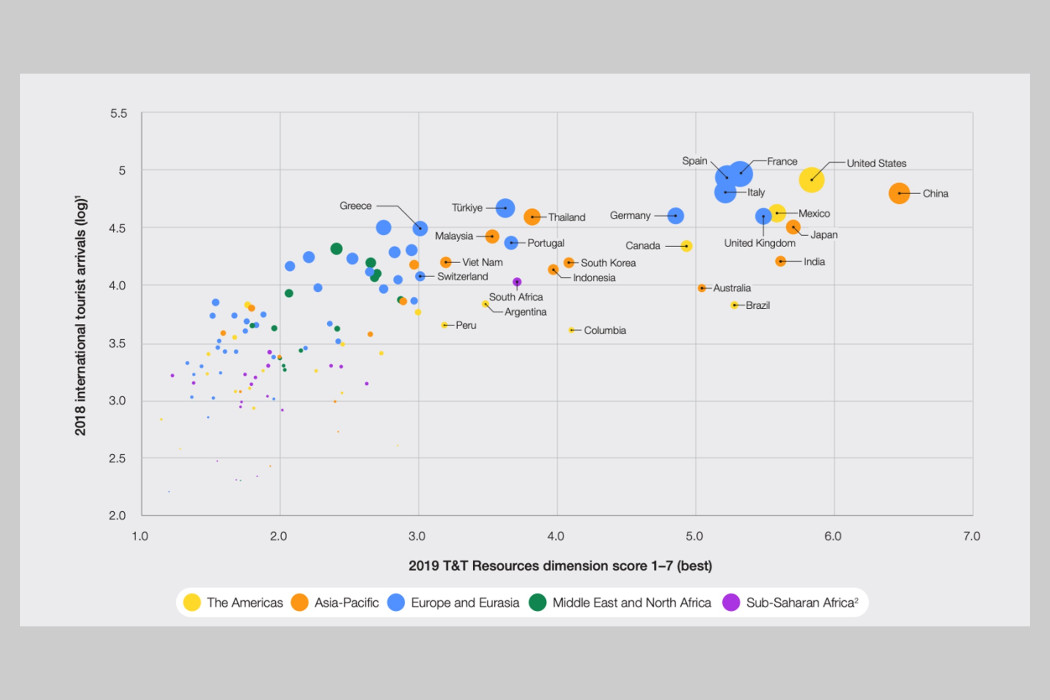

Travel & Tourism Development Index 2024
ที่มา : World Economic Forum, (21 May 2024). Travel & Tourism Development Index 2024

ดัชนีชี้วัด TTDI นี้แบ่งออกเป็น 5 ด้าน ได้แก่ สภาพแวดล้อมที่เอื้ออำนวย (enabling environment) นโยบายด้านการท่องเที่ยวและเงื่อนไขที่เหมาะสม (T&T policy and enabling conditions) โครงสร้างพื้นฐานและบริการ (infrastructure and services) ทรัพยากรด้านการท่องเที่ยว (T&T resources) และความยั่งยืนด้านการท่องเที่ยว (T&T sustainability) โดยในแต่ละด้านจะมีเสาหลักย่อย ๆ ลงไปอีก ดังปรากฏตามภาพข้างท้ายนี้
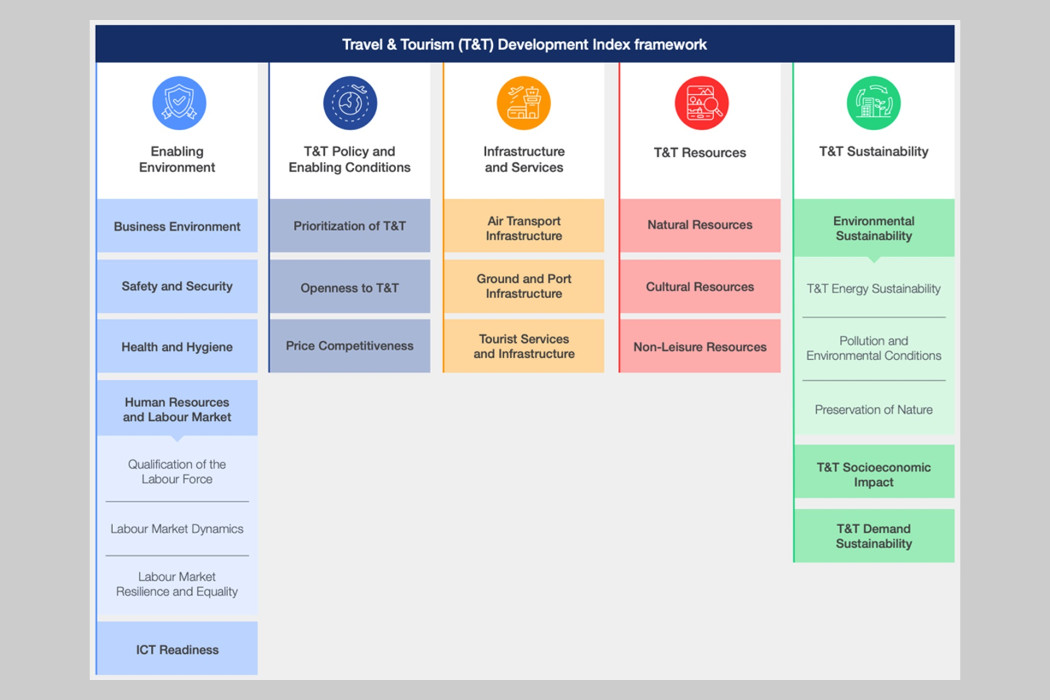

Travel & Tourism Development Index 2024
ที่มา : World Economic Forum, (21 May 2024). Travel & Tourism Development Index 2024

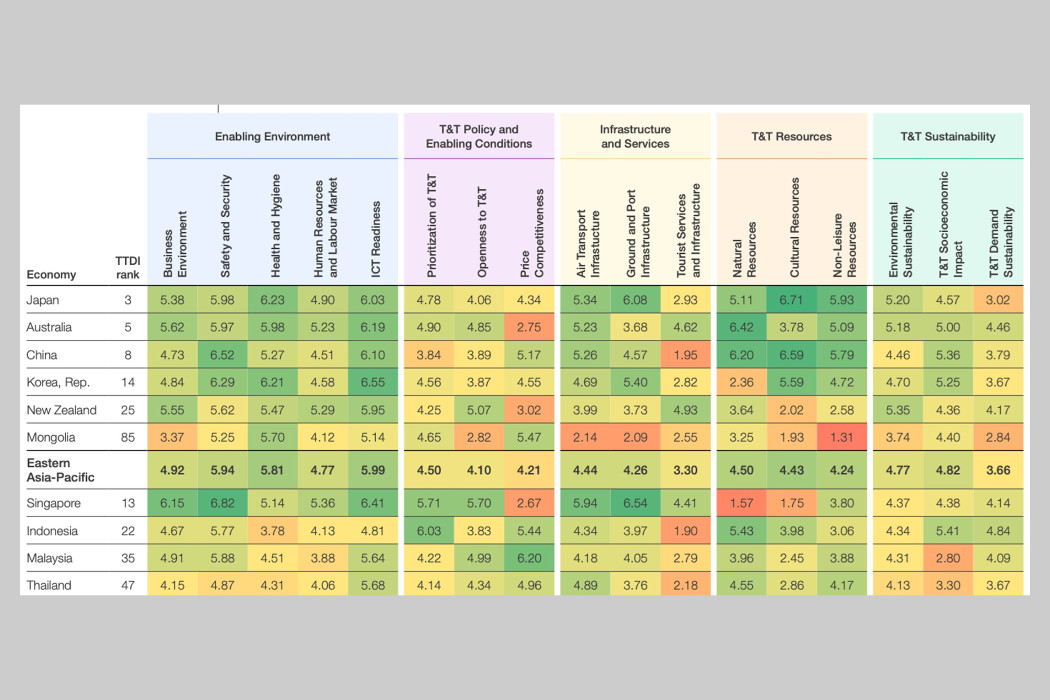
อย่างไรก็ดี เมื่อพิจารณาผลสำรวจตามตัวชี้วัดต่าง ๆ จะพบว่าในกรณีของประเทศไทยจากตัวชี้วัดจำนวน 17 เรื่อง นั้นในหลาย ๆ เรื่องประเทศไทยได้คะแนนการประเมินอยู่ในเกณฑ์พอใช้ (ต่ำกว่าค่าเฉลี่ย) และมีคะแนนส่วนใหญ่ไม่ถึงคะแนนเต็ม 7 ซึ่งอาจจะไม่เป็นที่น่าพอใจนัก โดยเฉพาะหากพิจารณาในบริบทที่ประเทศไทยพยายามแสดงตนว่าเป็นจุดหมายของการท่องเที่ยว

Travel & Tourism Development Index 2024
ที่มา : World Economic Forum, (21 May 2024). Travel & Tourism Development Index 2024

หากพิจารณาในเนื้อหาของตัวชี้วัด จะพบว่าในด้านที่ประเทศไทยค่อนข้างอ่อนแอนั้นมาจากหลายปัจจัย เช่น ตามเสาหลักเรื่องสุขภาพและสุขอนามัย (health and hygiene) พบว่าประเทศไทยได้รับการประเมินอยู่ที่ 4.31 คะแนน จากคะแนนเต็ม 7 คะแนน เมื่อพิจารณาสาเหตุสำคัญที่ได้คะแนนน้อยจะพบว่า เงื่อนไขที่นำมาใช้ในการประเมินก็คือ ความเพียงพอของแพทย์ (และบุคลากรทางการแพทย์) ความเพียงพอของเตียง และการเข้าถึงแหล่งน้ำสะอาด หรือในเสาหลักเรื่องความปลอดภัยและการรักษาความปลอดภัย (safety and security) จะพบว่าประเทศไทยได้รับการประเมินอยู่ที่ 4.87 จากคะแนนเต็ม 7 และถ้าพิจารณาสาเหตุสำคัญที่ได้คะแนนน้อยจะพบว่า มาจากเงื่อนไขที่นำมาใช้ในการประเมินก็คือ ความเชื่อมั่นต่อตำรวจในพื้นที่ ความปลอดภัยในการเดินทางตอนกลางคืน และอัตราการเสียชีวิตที่เกิดจากฆาตกรรม ในรายละเอียดของเสาหลักแต่ละเรื่องจะเห็นได้ว่า การประเมินดังกล่าวเกิดมาจากการพิจารณาโครงสร้างพื้นฐาน (infrastructure) ทั้งนั้น

เมื่อยกตัวอย่างให้เห็นภาพมากขึ้น ผู้เขียนอยากให้ผู้อ่านทุกคนลองจินตนาการถึงภาพข่าวเกี่ยวกับนักท่องเที่ยวถูกทำร้ายหรือฆาตกรรม หรือข่าวอาชญากรรมที่เกิดขึ้นในเมืองท่องเที่ยวจะเห็นได้ว่า สิ่งเหล่านี้สะท้อนความปลอดภัย ไม่ใช่เพียงแต่กับนักท่องเที่ยวเท่านั้น แต่กับคนในพื้นที่ซึ่งใช้ชีวิตอยู่ตามปกติทุกวันด้วยเช่นกัน หรือปัญหาความไม่เพียงพอของบุคลากรทางการแพทย์หรือจำนวนเตียงในโรงพยาบาล สิ่งนี้ไม่ได้เกิดขึ้นเฉพาะกับนักท่องเที่ยว แต่เกิดขึ้นกับคนไทยทุกคนที่หากเจ็บป่วยแล้วมาเข้ารับการรักษามักต้องเผชิญความแออัดในโรงพยาบาล

ปัญหานี้สวนทางกับนโยบายของรัฐบาลที่ผ่านมา แม้ว่าคณะรัฐมนตรีในชุดที่แล้วและชุดปัจจุบันจะมุ่งส่งเสริมการท่องเที่ยวไทยในฐานะของแหล่งรายได้และซอฟท์พาวเวอร์ อาทิ การให้ฟรีวีซ่า หรือการยกเว้นการเก็บค่าเหยีบแผ่นดิน นโยบายต่าง ๆ เหล่านี้ในด้านหนึ่งก็เป็นการพยายามส่งเสริมด้านอุปสงค์ของการท่องเที่ยว โดยดึงดูดนักท่องเที่ยวให้เข้ามาเที่ยวและใช้จ่ายเงินภายในประเทศ

แต่การเพิ่มเฉพาะอุปสงค์เพียงอย่างเดียวอาจจะไม่เพียงพอมีประโยชน์ เพราะโครงสร้างพื้นฐานต่าง ๆ อาจจะยังไม่ดีพอสำหรับการส่งเสริมการท่องเที่ยว อาทิ ระบบขนส่งที่เพียงพอและสะดวกสบาย (ไม่ต้องพึ่งพาแท็กซี่ราคาแพงในการเดินทาง) หรือความปลอดภัยในการท่องเที่ยว แต่สำหรับนักท่องเที่ยวเดินทางคนเดียว สิ่งเหล่านี้เป็นประเด็นพื้นฐานที่ต้องกลับมาใส่ใจ รวมถึงเป็นผลกระทบที่รัฐบาลต้องตระหนักถึงก่อนจะจัดทำนโยบายบางอย่างเช่น การยกเว้นการเก็บค่าเหยียบแผ่นดินที่แม้แง่หนึ่งจะช่วยลดค่าใช้จ่ายในการดึงดูดนักท่องเที่ยว แต่เงินดังกล่าวกลับมีความสำคัญในการนำมาใช้จัดทำประกันภัยภาคบังคับให้กับนักท่องเที่ยว และนำมาใช้ในการบูรณะดูแลหรือส่งเสริมแหล่งท่องเที่ยว

หากคำนึงถึงลักษณะของแหล่งท่องเที่ยวในบริบทประเทศไทยที่มีอิงกับแหล่งท่องเที่ยวธรรมชาติแล้ว การกลับมาสนใจและพัฒนาแหล่งท่องเที่ยวก็เป็นเรื่องสำคัญที่ไม่ควรละเลย เพราะหากแหล่งท่องเที่ยวธรรมชาติเสื่อมโทรมไปแล้วจะต้องใช้ระยะเวลานานในการฟื้นฟูดูแล และระหว่างนั้นประเทศไทยก็อาจจะเสียโอกาสในการหารายได้จากการท่องเที่ยวไป

ท้ายที่สุดสิ่งสำคัญที่ต้องตระหนักคือ ไม่ใช่เพียงแต่คำนึงถึงนโยบายดึงดูดนักท่องเที่ยวจำนวนมาก แต่คุณภาพของการท่องเที่ยวก็มีความสำคัญเช่นเดียวกัน ประเด็นอื่น ๆ นอกจากที่กำหนดไว้ในตัวชี้วัดนี้ เช่น คุณภาพการให้บริการ ราคาสินค้า และบริการที่เป็นธรรมก็เป็นอีกเรื่องที่ต้องกลับมาใส่ใจ ความต้องการเพียงแค่จะชักจูงให้มีนักท่องเที่ยวเข้ามามาก ๆ โดยไม่ได้คำนึงถึงความพร้อมของประเทศ ความคุ้มทุน และผลประโยชน์ที่จะได้อาจจะเป็นการคิดแบบละโมบเกินไป

สิ่งที่รัฐบาลควรจะตระหนักอีกประการคือ การกลับมาหาประเด็นพื้นฐานที่สุดว่า ถ้ายังจัดการเรื่องภายในบ้านของตัวเองให้ดีและเรียบร้อยไม่ได้ การเปิดบ้านเพื่อต้อนรับแขกก็อาจจะกลายเป็นเรื่องขายหน้าไปที่สุด


เอกสารอ้างอิง

World Economic Forum, (21 May 2024). Travel & Tourism Development Index 2024

Unfair Laws in Tourism Need Overhaul

First Published in Bangkok Post on Wednesday, June 9, 2022

For the past two years, Thailand’s tourism industry has been in a coma due to the Covid-19 pandemic. To revive the economy, the government has now relaxed Covid-19 control measures to reopen the country. Big hotels now have a chance to recover but for a majority of small hotels, however, it is already too late — many of them had their fate sealed by outdated laws regulating hotels that made it near impossible for them to gain an operating licence.

Ask operators of small hotels and hostels, and they will pour out the same grievances; the laws regulating hotels not only favour big hotels and discriminate against small operators, but they also prevented small players from receiving state assistance during the pandemic.

For example, when the government launched the Sandbox Programme to revive the tourism industry last year, small hotel operators cried foul with only big hotels eligible for the programme. Small hotel operators petitioned Prime Minister Prayut Chan-o-cha for intervention for they, too, desperately needed help.

The state authorities argued that most small hotels were not eligible because they did not have an operating licence. But not having the licence is not their fault, smaller operators claimed. The crux of the problem is that the laws regulating hotels make it next to impossible for small operators to obtain a licence.

For starters, laws governing hotels do not differentiate between big and small businesses. They have fixed, uniform standards that require high investment for all hotels regardless of business size. While big hotels with money can meet such requirements, most small hotels and those run by local communities cannot.

“Without an operating licence, they cannot get emergency assistance from the government when hit by the pandemic. Worse, they are considered illegal businesses.”

The smaller operators’ requests for more flexible and timely regulations to fit local conditions and adapt to changes have been rejected. Without an operating licence, they cannot get emergency assistance from the government when hit by the pandemic. Worse, they are considered illegal businesses.

At present, hotel operators are governed by the 2004 Hotel Act, the 1990 Town and Country Planning Act and the 1979 Building Control Act. Apart from being outdated, the standards required by these laws are based on the operations of large hotels. When small operators cannot meet the legal requirements more suited for big hotels such as noise control, the size of a water treatment system, and parking spaces, they are denied the licences.

Similarly, the building law is designed for the construction and safety of large buildings. Many small hotels, meanwhile, are renovations of old homes or commercial buildings. Although the authorities at the Department of Public Works and Town and Country Planning have adjusted some requirements to accommodate small buildings, the changes still do not cover many types of accommodation such as boathouses or treehouses.

The tourists’ increasing preference for cosy accommodations with quaint charms has led to the mushrooming of boutique hotels and small hotels across the country. The locals finally have a chance to benefit from tourism, not only big investors. The outdated laws, however, make it very difficult for them to obtain an operating licence.

According to the Department of Provincial Administration, there are 30,000 registered hotels nationwide. Meanwhile, over 60,000 hotels are listed on the Online Travel Agency website.

Apart from specifying the size and structure of the buildings, hotel laws also require a separation between the operators’ homes and hotel areas. They also prohibit homestays to have more than four rooms and receive more than 20 customers.

These rules affect homestay businesses where the owners live on the same premises. It also prevents homestays from growing, thus making it difficult for the owners to improve their venues and services.

Furthermore, hotel laws specify in detail what services must be provided. When small hotel customers only need clean rooms to stay in, this rule on mandatory services has put an extra financial burden on small hotel operators.

In 2019, the government initiated a temporary solution for small hotels, giving them two years to improve their premises so they comply with the laws and file for a licence. The grace period expired in August last year.

The reprieve was no use, however, because it came when the country was hit by Covid which almost wiped out the whole tourism industry. Small hotels, struggling to survive, simply have no resources to develop their operations and file for the licence within the deadline.

Instead of forcing small operators to comply with outdated laws, the government must overhaul the laws that prevent small players and local communities from benefiting from the tourism industry.

True, the hotel and building laws aim to protect customers and the public but the situation has changed and the laws are now out-of-date. They must be modernised to help small hotels conduct business.

Changing the rules and regulations here and there does not suffice, however. The laws governing the tourism industry must be comprehensively revamped.

First, since the grace period for applying for the operating licence is over, the government should consider issuing an emergency decree to extend the reprieve. This will give the operators more time to develop their premises and apply for the licence.

For a long-term solution, the government must overhaul the laws and ministerial regulations that affect small hotel operations and licensing. Building standards and other requirements should accommodate a wide range of accommodations, especially small hotels and special categories such as boathouses and treehouses.

With tourism markets becoming more niche, hotel laws should support the operations of small hotels to answer the customers’ particular needs. Unnecessary requirements and rules should be lifted. Importantly, the laws on hotel operations and building control should not be implemented separately, not combined in one package to govern the hotel industry as it is now.

Importantly, the oversight authority should be in the hands of local governments instead of being centralised by the Department of Provincial Administration. The local administration bodies understand better local conditions and can provide faster remedies when problems occur. Also, local governments have more incentives to support tourism in their jurisdictions much more so than the officialdom based in Bangkok.

Such a legal overhaul will help small hotels develop and expand their businesses. For not having to meet large hotel standards will give them more resources to improve their venues and services in other ways. The customers will then have more high-quality choices for their different tastes and needs.

Modernising the laws is necessary if Thailand wants to recover from the pandemic quickly. Importantly, the legal overhaul will ensure that tourism benefits will be distributed fairly to all players, especially local communities. After all, it is the duty of the government to ensure fair play and prevent the law from aggravating injustices.